How Heavy is 1 Gram? Daily-Use Items That Weigh 1 Gram
1 gram equals 0.035 ounces (oz) a weight so small it barely registers in your hand, yet it appears in your kitchen, wallet, desk, and bathroom every single day. It’s roughly the weight of a single raisin, one US dollar bill, or the plastic cap from a water bottle sitting on your counter right now.
Whether you’re measuring ingredients for a recipe, understanding medication dosages, or simply curious about the tiny objects around you, recognizing common 1-gram references gives you an instant reference point.
1 Gram Conversion Chart
| 1 Gram = | Value |
|---|---|
| 1 gram | 0.035 ounces |
| 1 gram | 0.001 kilograms |
| 1 gram | 1,000 milligrams |
| 1 gram | 0.032 troy ounces |
How Heavy Is 1 Gram?
1 gram (0.035 oz) is exactly one-thousandth of a kilogram the weight of a single small paperclip, sitting so lightly in your palm that you can barely feel it. Place a dollar bill on a kitchen scale and the display reads almost exactly 1 gram (1,000 milligrams) that’s your most accessible real-world proof.
For most people, a One-gram weight feels like practically nothing between your fingers. Pinch a single raisin, a thumbtack, or the cap off a pen that near-weightless sensation you feel is exactly what 1 gram (0.001 kg) feels like in real life.
Things That Weigh 1 Gram
These everyday items demonstrate exactly how heavy 1 gram is in real life. From kitchen staples to pocket items, this weight shows up constantly in the smallest objects you handle every single day.
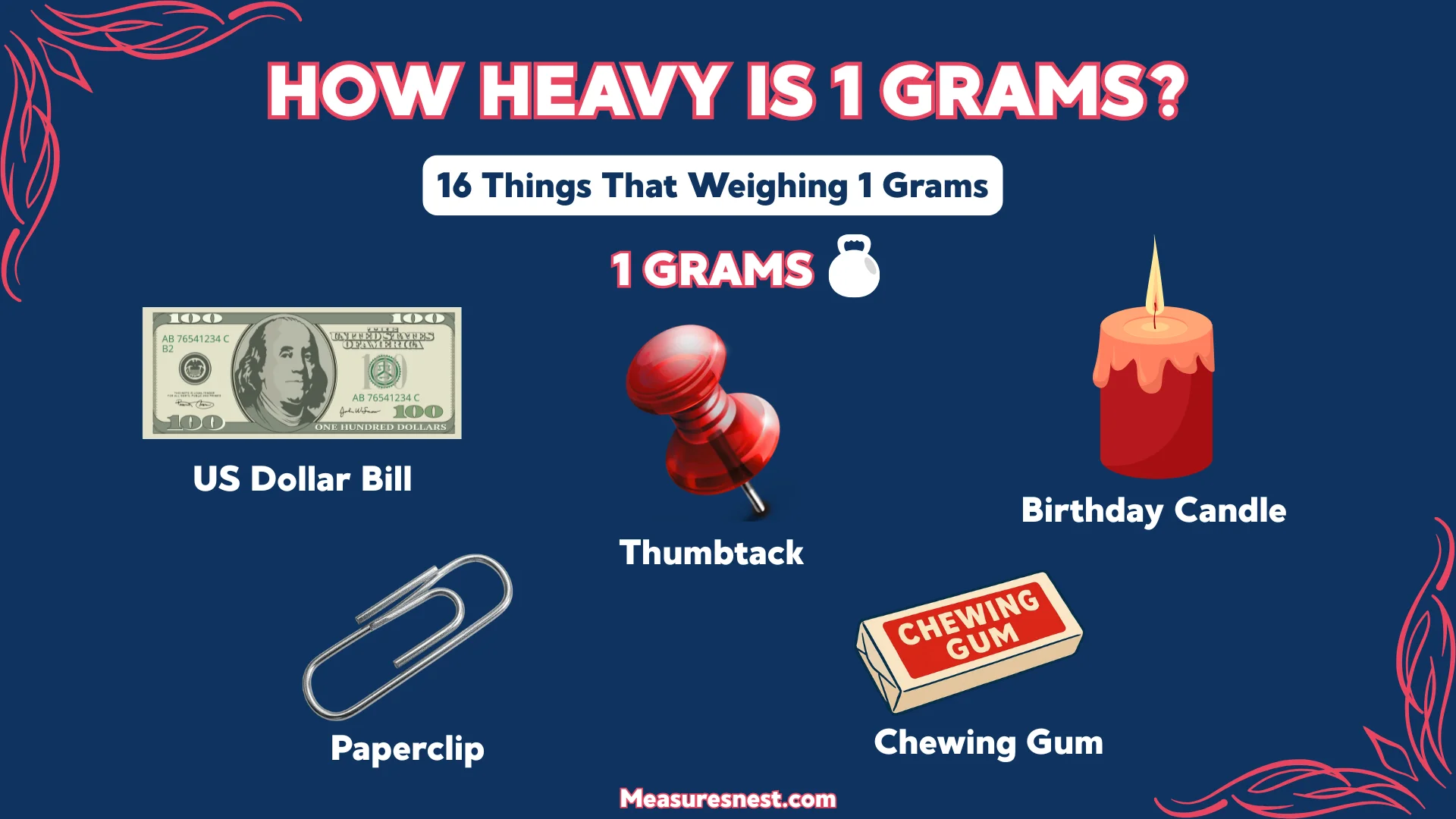
A US Dollar Bill (Any Denomination)
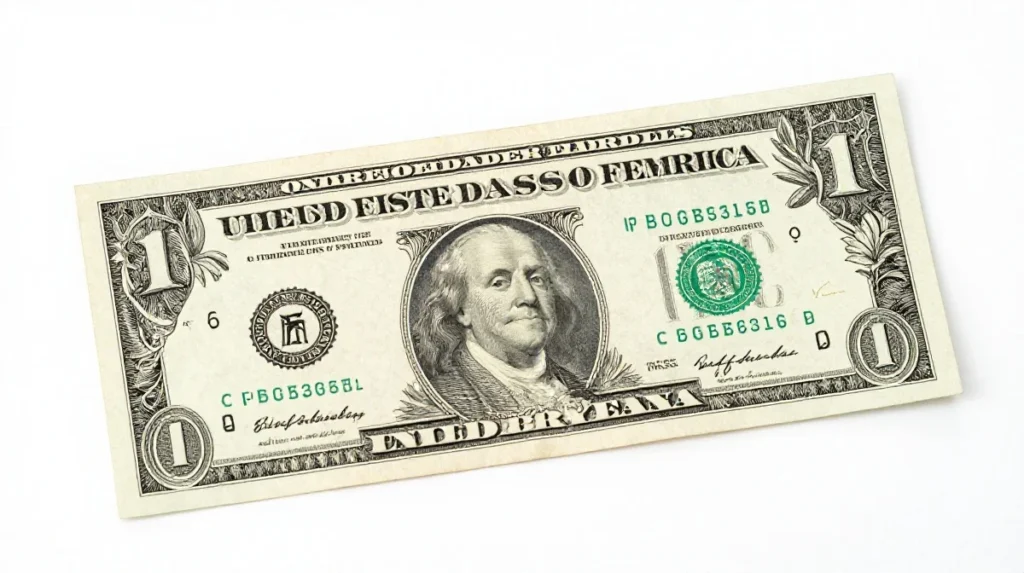
A US dollar bill whether it’s $1 (one dollar) or $100 (one hundred dollars) weighs exactly 1 gram (0.035 oz) regardless of denomination. The US Bureau of Engraving and Printing produces every note at this precise weight using a consistent cotton-linen blend paper that stays uniform across all bills.
Americans handle dollar bills billions of times every single day across every store, wallet, and register in the country. Reach into your wallet right now every single note you pull out weighs exactly 1 gram (0.035 oz), making your cash the most accessible weight reference you own.
Standard Metal Paperclip
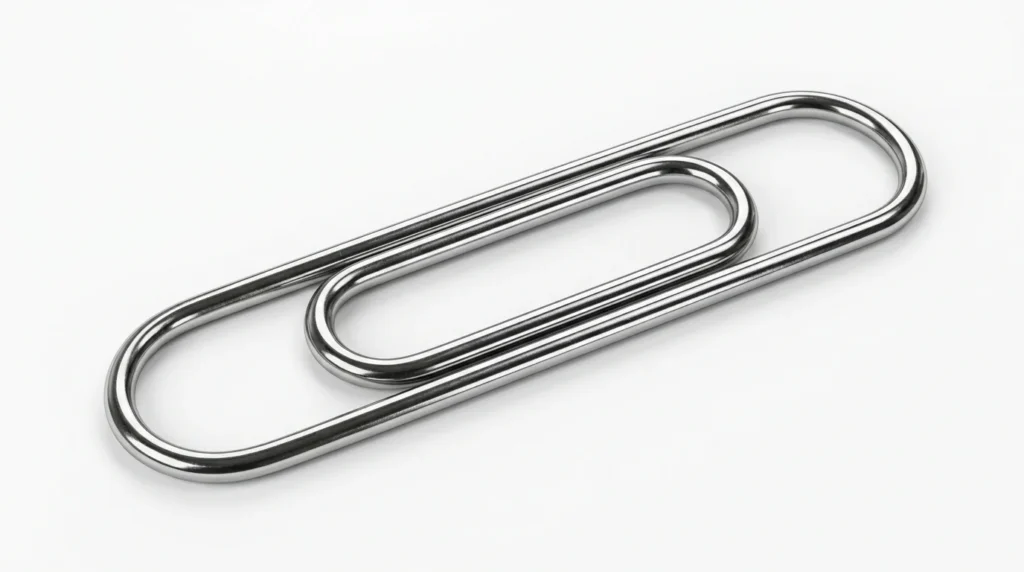
A standard metal paperclip the classic Gem-style clip found in every office supply drawer weighs approximately 1 gram (0.035 oz) on a precision scale. Its small wire form and consistent steel construction keep its weight remarkably stable across all major brands and manufacturers worldwide.
Paperclips sit in desk drawers, on documents, and in supply rooms of virtually every office, school, and home around the world. Pick up a single clip from your desk right now that near-weightless piece of bent wire in your fingers weighs exactly 1 gram (0.035 oz).
Single Raisin
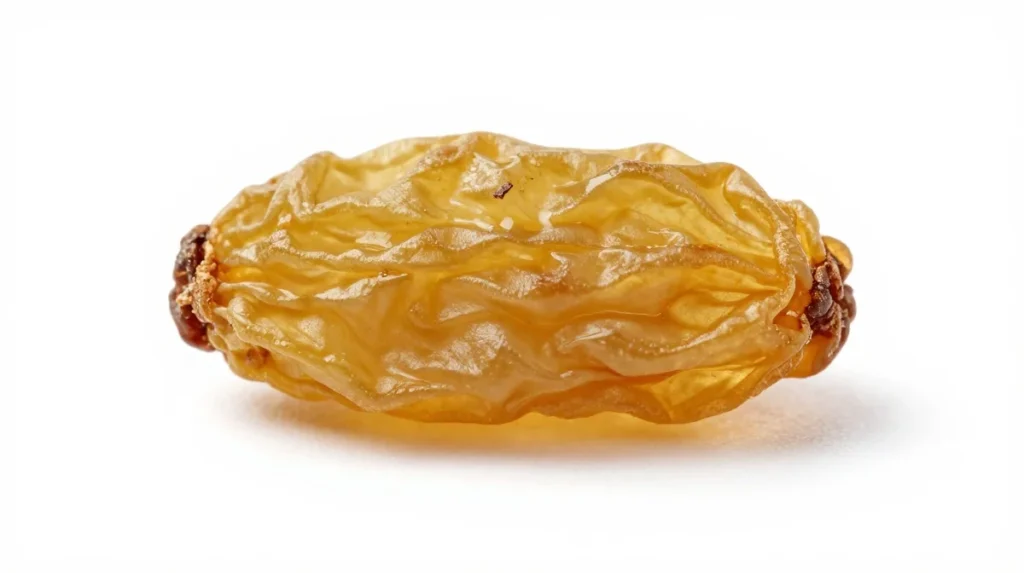
A single raisin plucked from a standard box or bag weighs approximately 1 gram (0.035 oz) making it one of the most convenient food-based weight references available in most kitchens. Raisins lose most of their original grape water weight during the drying process, which concentrates their mass into a tight, dense package that lands consistently near this 1-gram (1,000 mg) mark.
Raisins appear in trail mix, baked goods, cereals, and snack packs in kitchens and lunchboxes around the world every day. Shake one raisin out of a box right now that single dried grape in your palm is weighing exactly 1 gram (0.035 oz).
Thumbtack or Push Pin
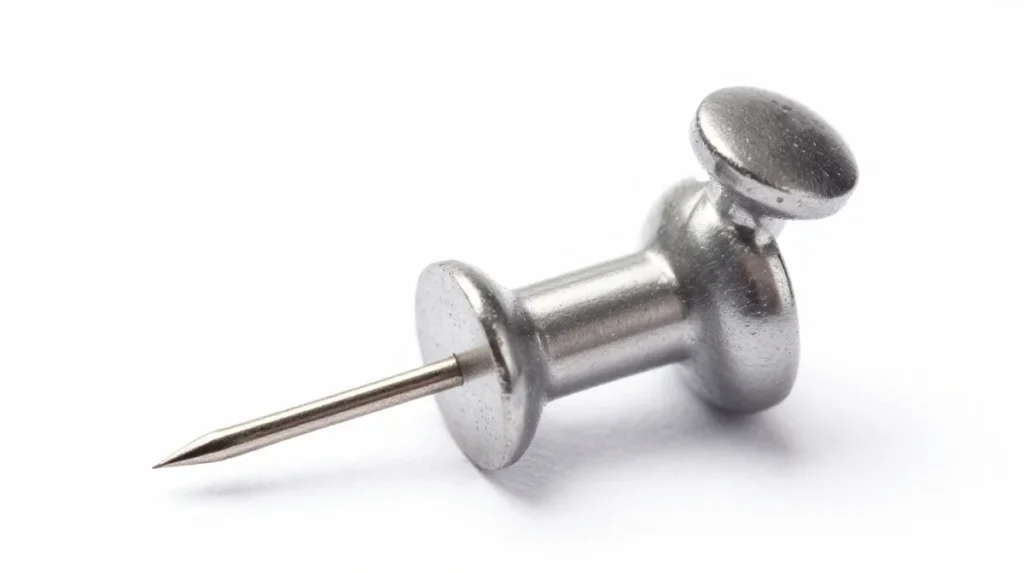
A standard plastic-headed thumbtack or push pin weighs approximately 1 gram (0.035 oz) nearly all of that weight concentrated in the small metal spike and plastic head. This near-weightless design lets you pin documents, photos, and maps without the thumbtack itself pulling the paper down under its own weight.
Students, teachers, and office workers press thumbtacks into boards and walls dozens of times every week across schools and workplaces worldwide. Hold a single thumbtack between your fingers right now that tiny object in your grip is a perfectly reliable 1-gram (0.035 oz) reference.
One Stick of Chewing Gum
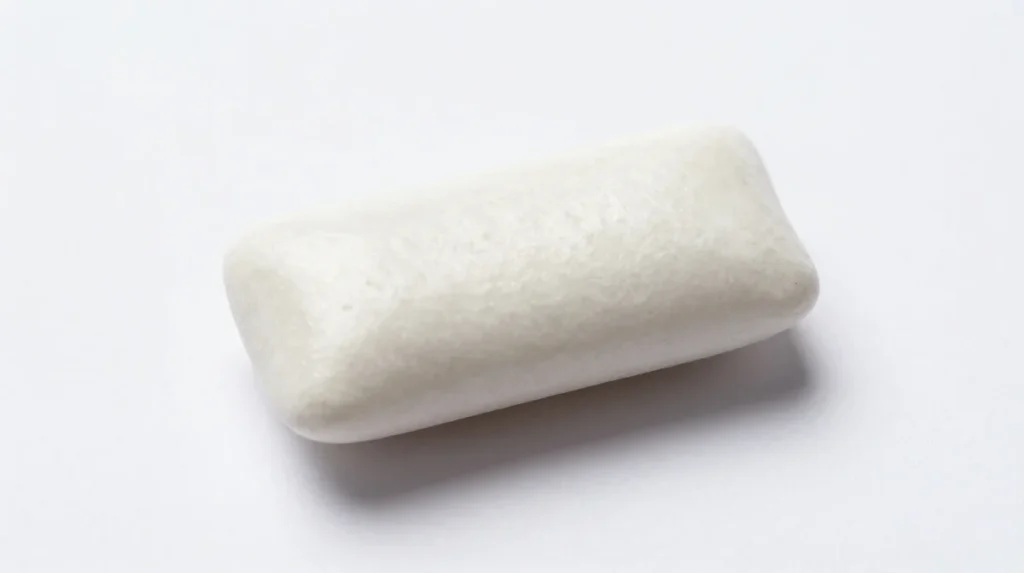
A single stick of chewing gum still in its foil and paper wrapper weighs approximately 1 gram (0.035 oz) in total. Gum manufacturers calibrate stick size and gum content carefully so each piece delivers consistent flavor duration and chewing texture, which naturally keeps the weight landing at this 1-gram (1,000 mg) standard.
Chewing gum is one of the world’s most widely consumed confectionery products, with billions of sticks sold and chewed every year across every continent. Pull a single stick from a pack in your bag or pocket that slim, wrapped piece of gum weighs exactly 1 gram (0.035 oz).
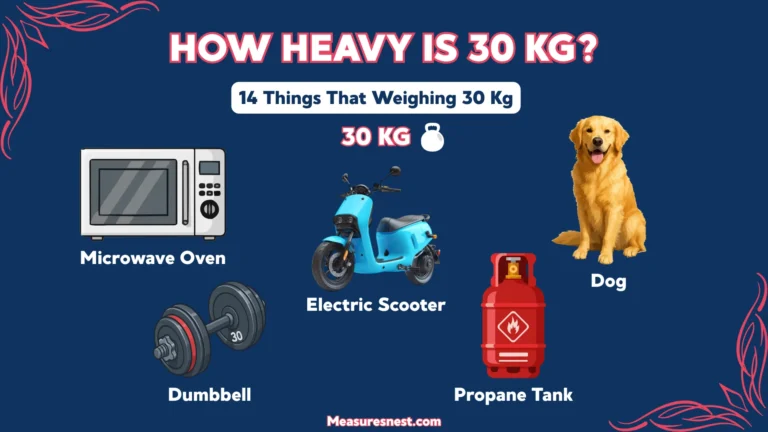
Small Birthday Candle (2-inch)

A small standard birthday candle measuring 2 inches (5.08 cm) tall weighs approximately 1 gram (0.035 oz) mostly paraffin wax with a thin cotton wick running through the center. This lightweight design means a full set of candles on a birthday cake adds almost no extra weight to the plate or board below it.
Birthday candles get placed on cakes at celebrations worldwide every single day of the year. Pull a single candle from a pack in your kitchen drawer that slim wax stick in your fingers weighs exactly 1 gram (0.035 oz).
Single Fresh Grape
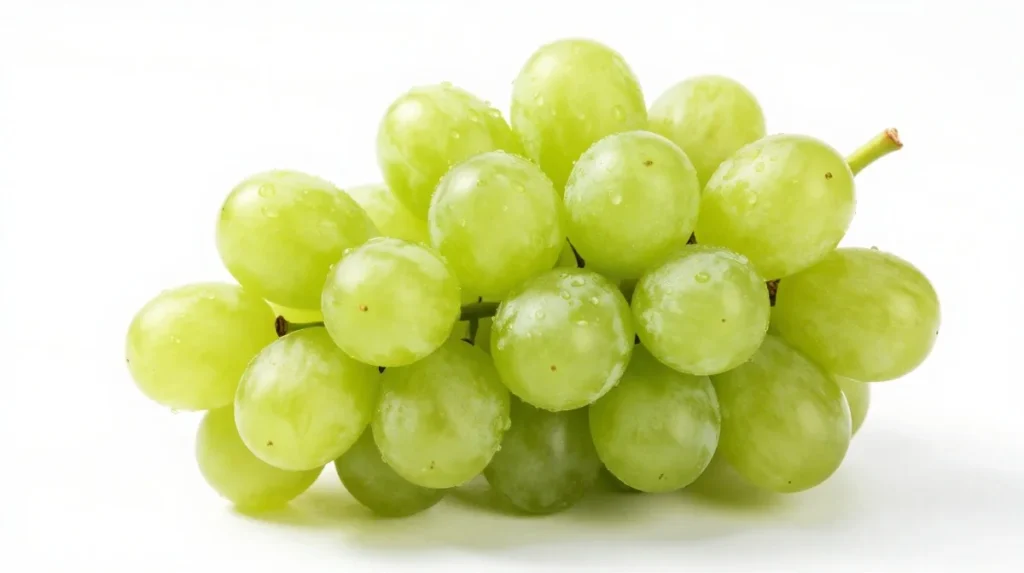
A single small fresh grape the kind you pull from a bunch at the grocery store weighs approximately 1 to 1.5 grams (0.035 to 0.053 oz) depending on its size and water content, with smaller grapes landing right at 1 gram (1,000 mg) exactly. Produce buyers, grocery scale manufacturers, and nutritional database researchers all work with individual grape weights when calculating per-serving fruit nutrition data.
Grapes appear in fruit bowls, lunchboxes, cheese boards, and grocery bags in homes worldwide every day. Pop a single small grape off its stem right now — that round little fruit between your fingers is weighing approximately 1 gram (0.035 oz).
Ballpoint Pen Cap
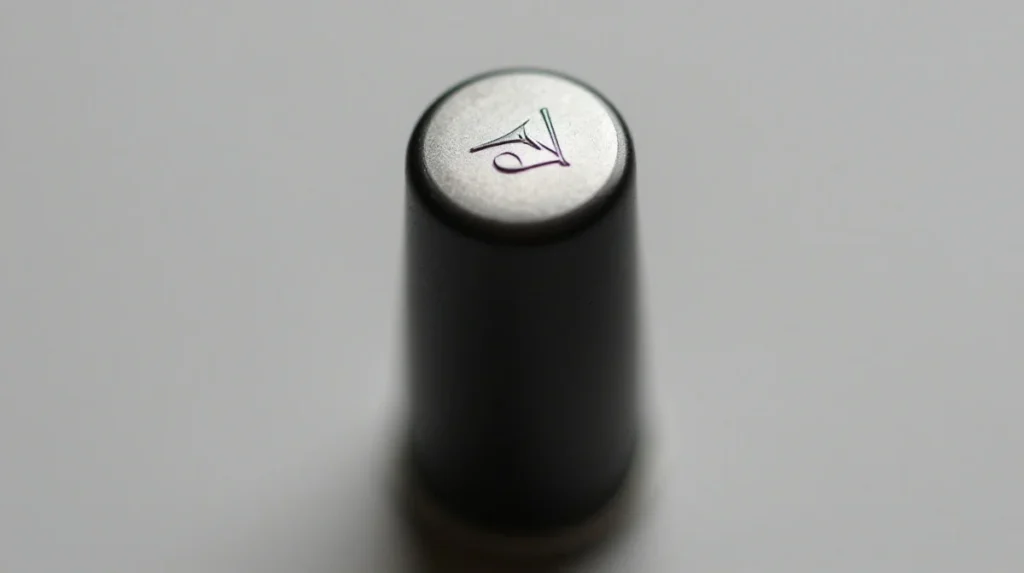
The cap of a standard ballpoint pen removed and weighed separately from the pen body weighs approximately 1 gram (0.035 oz). Pen designers and writing instrument manufacturers use lightweight plastic caps at this weight to keep the overall pen balanced in your hand without making the back end too heavy when the cap is posted on the rear.
Ballpoint pens sit on desks, in pencil cases, and in bags in virtually every home, school, and office around the world. Pull the cap off any ballpoint pen nearby that small plastic piece you just removed weighs exactly 1 gram (0.035 oz).
Pinch of Salt (Thumb + Forefinger)
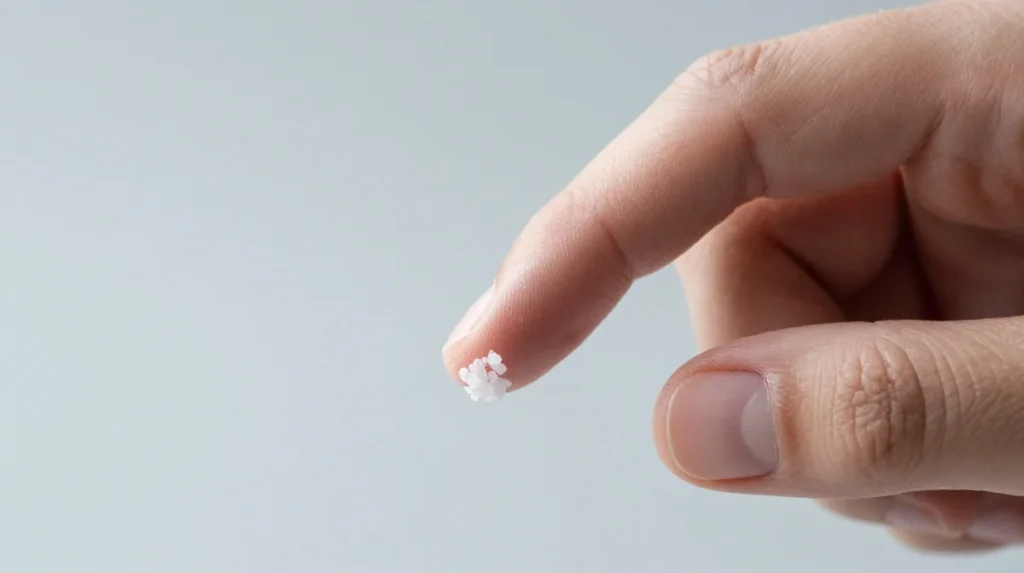
A pinch of table salt the amount you pick up between your thumb and forefinger weighs approximately 0.3 to 1 gram (300 to 1,000 mg) depending on pinch size, with a firm two-finger pinch landing right at 1 gram (0.035 oz). Culinary school instructors and professional recipe developers use the “pinch” as an informal measurement that experienced cooks calibrate to approximately this weight through repeated practice.
Home cooks and chefs use pinches of salt hundreds of times per week in every type of kitchen around the world. The next time your fingers reach into the salt dish during cooking, that pinch you pull out is approximately 1 gram (0.035 oz) of seasoning.
Japanese 1 Yen Coin
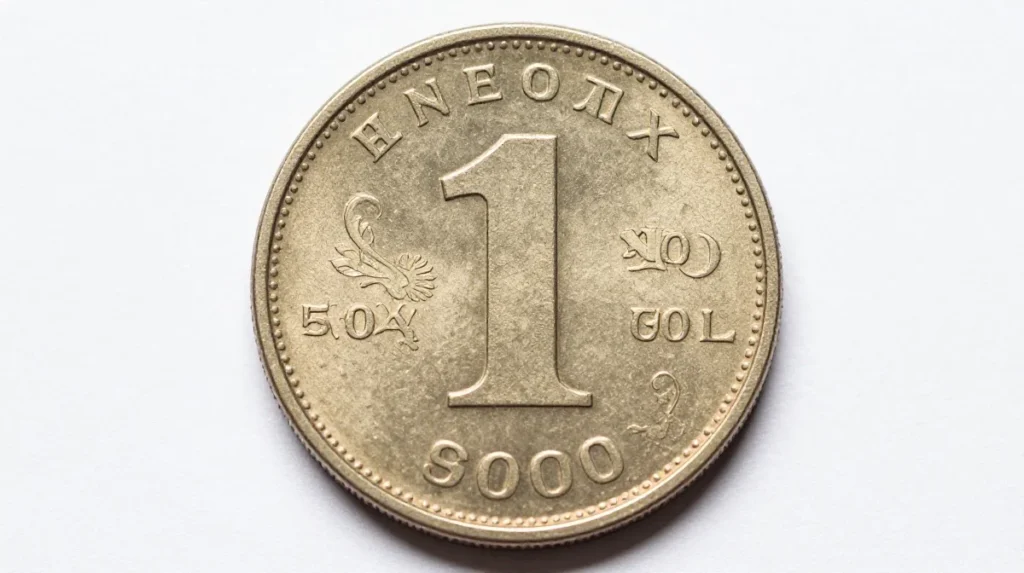
A Japanese 1 yen coin weighs exactly 1 gram (0.035 oz) one of the very few coins in the world designed and minted to this precise standard weight intentionally. The Japanese Mint produces each 1 yen coin from pure aluminum, giving it a diameter of 20 millimeters (2 cm) and a thickness of 1.5 millimeters (0.15 cm) at exactly 1 gram (1,000 mg).
The 1 yen coin is so consistently 1 gram that it’s genuinely used as a calibration tool in laboratories and jewelry workshops around the world. If you ever have one in your coin collection, place it on a scale it will read exactly 1 gram (0.035 oz) every single time.
Quarter of a Sugar Packet
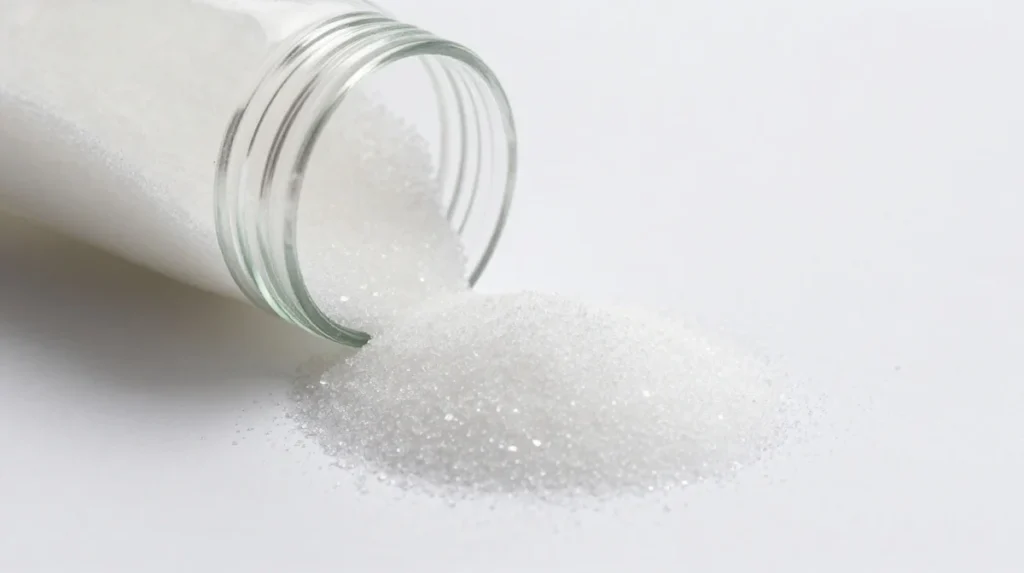
A standard single-serve sugar packet at a coffee shop or restaurant contains approximately 4 grams (0.14 oz) of granulated sugar meaning one-quarter of that packet holds exactly 1 gram (0.035 oz). Food service companies and sugar manufacturers produce these packets to a consistent weight so baristas, servers, and customers can add precise amounts of sweetness to their drinks without needing a measuring spoon.
Sugar packets appear on every café table, in every diner, and in office break rooms around the world every single day. Tear open one packet and divide its contents into four equal piles each small pile in front of you weighs exactly 1 gram (0.035 oz).
Plastic Bottle Cap
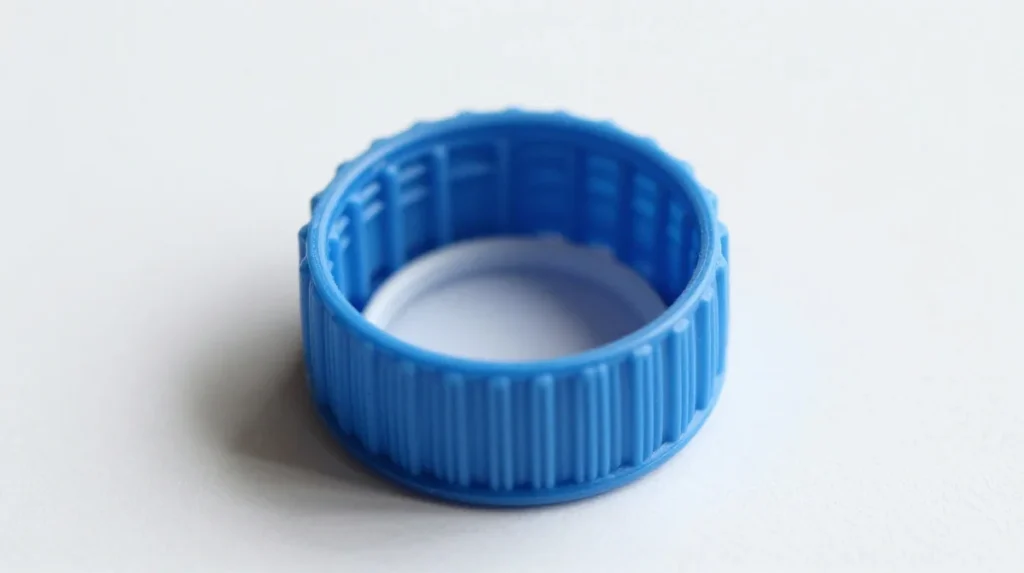
A standard plastic water bottle cap the kind you unscrew from a 500 ml (16.9 oz) or 1-liter (33.8 oz) water bottle weighs approximately One gram (0.035 oz). Plastic packaging engineers design bottle caps at this minimal weight to reduce material costs and overall bottle weight while still providing a secure, leak-proof seal.
Water bottles get opened, recapped, and recycled by billions of people every single day across every country on earth. Unscrew the cap from your water bottle right now that small round piece of plastic in your fingers weighs approximately 1 gram (0.035 oz).
Single Piece of Paper Towel (Torn Section)
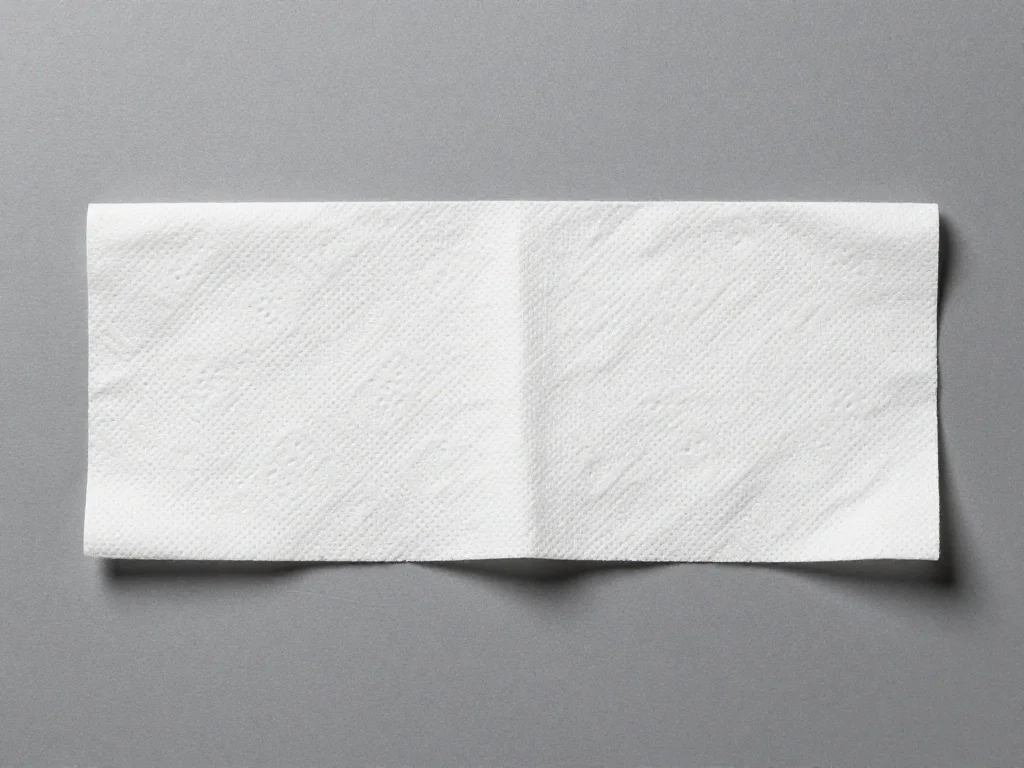
A single half-sheet or small torn section of a standard paper towel weighs approximately 1 gram (0.035 oz) depending on the brand and towel thickness. Thinner, single-ply paper towel sections hit this mark most consistently, while thicker select-a-size sheets may reach 1.5 to 2 grams (0.053 to 0.07 oz).
Paper towels are used multiple times every day in kitchens, bathrooms, and work spaces in hundreds of millions of homes worldwide. Tear off a small section from the roll on your counter that light piece of paper in your hand weighs approximately 1 gram (0.035 oz).
One Milliliter (1 ml) of Water
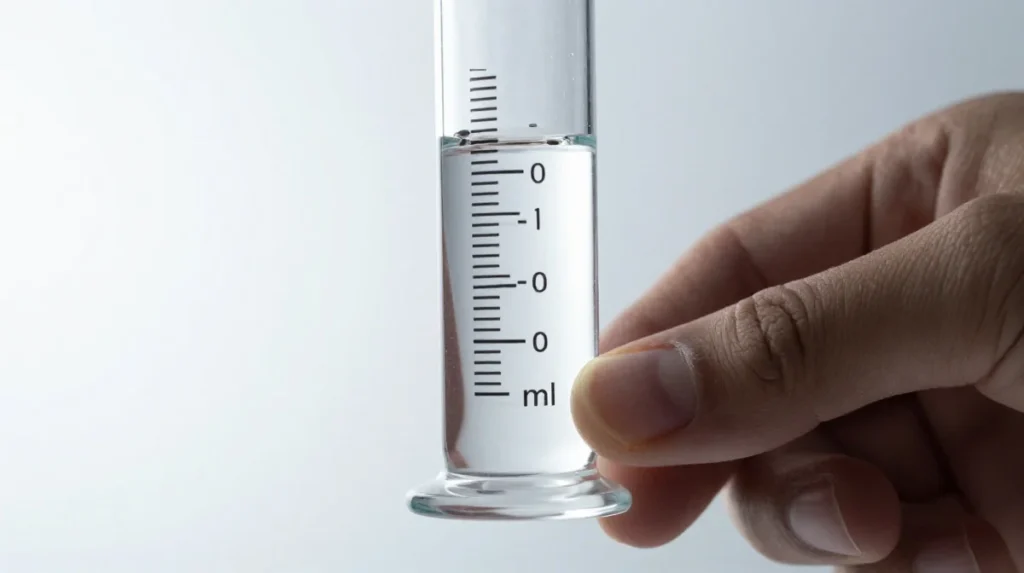
1 milliliter (ml) of pure water weighs exactly 1 gram (0.035 oz) at room temperature one of the most fundamental and precisely defined relationships in the entire metric system. This equivalence was deliberately built into the metric system when scientists defined the gram in the 1790s, making water the original and most accurate 1-gram (1,000 mg) reference in the world.
This water-gram equivalence is one of the most useful facts in all of science, confirmed and relied upon by researchers in every country every single day. Fill a medicine dropper to the 1 ml mark and you’re holding exactly 1 gram (0.035 oz) of water the most precise reference on this entire list.
Small Vitamin Tablet
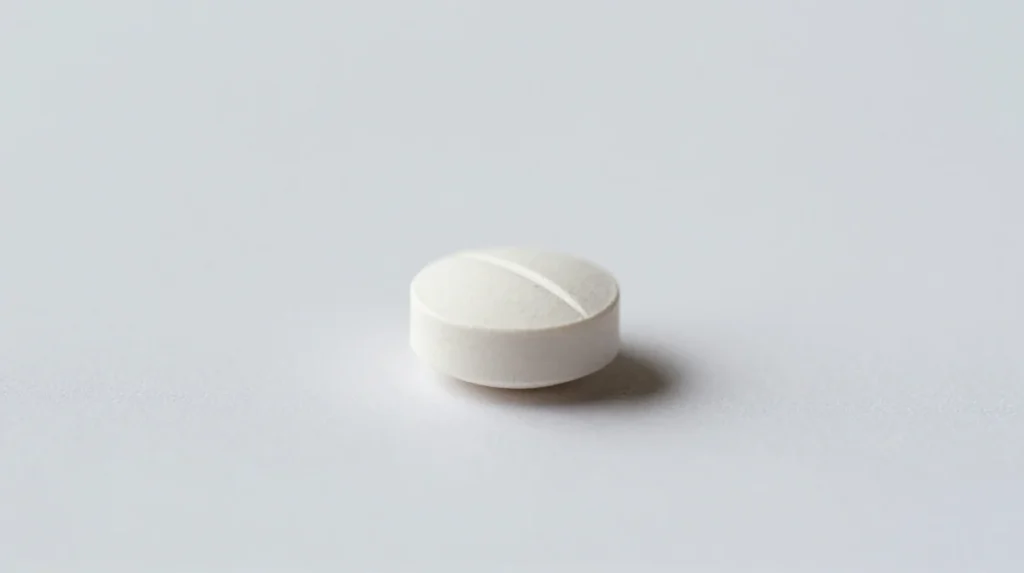
A small vitamin tablet such as a children’s vitamin C tablet or a small zinc supplement typically weighs approximately One gram (0.035 oz) in total, including the active ingredient and filler binders compressed into the tablet. Pharmaceutical manufacturers and supplement producers press tablets to precise weight specifications so each dose delivers a consistent and predictable amount of active ingredient per tablet.
Millions of people take vitamin tablets every single morning as part of their daily health routine worldwide. Pick up a small vitamin tablet from your supplement bottle that compact little disk in your fingers weighs approximately 1 gram (0.035 oz).
Apple Seed
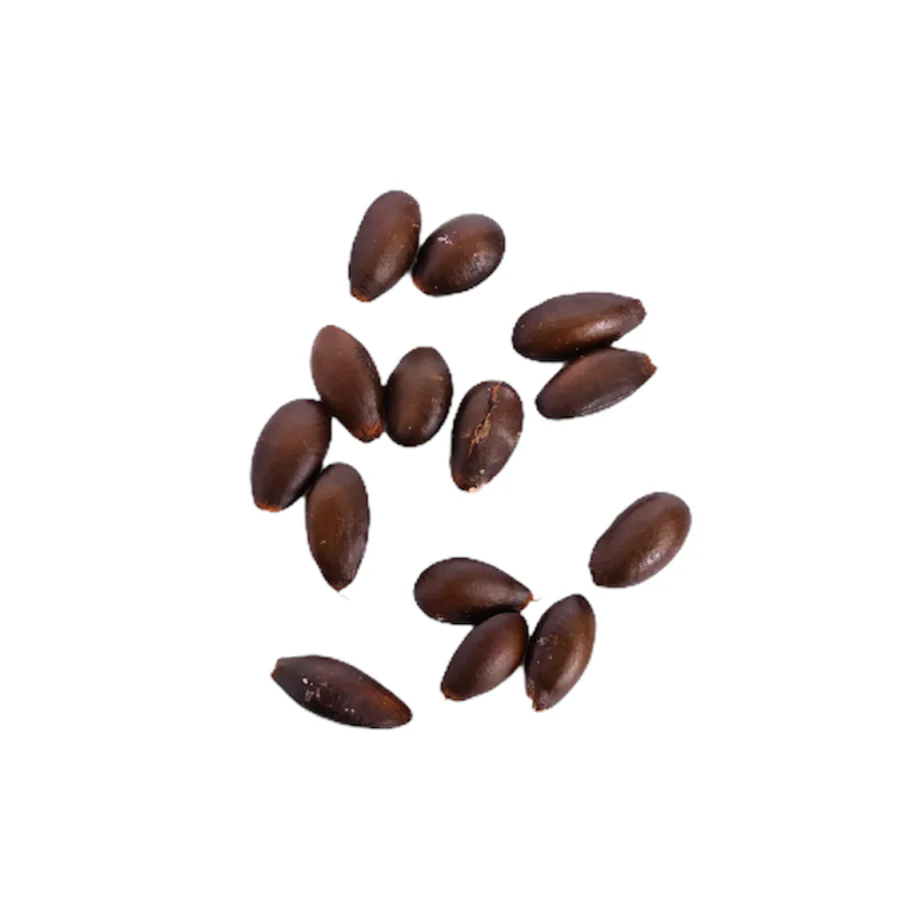
A single apple seed weighs approximately 0.7 to 1 gram (700 to 1,000 mg) — with larger seeds from fully ripe apples landing right at the 1-gram (0.035 oz) mark. Horticultural researchers, seed bank scientists, and agricultural geneticists measure individual seed weights as a key indicator of seed viability, germination potential, and fruit variety characteristics.
Apple seeds appear in every apple eaten fresh, baked into pies, or pressed into juice around the world every single day. Slice open an apple and pull out a single seed — that small dark oval in your palm weighs approximately One gram (0.035 oz), and it contains everything needed to grow an entire apple tree.
1 Gram Without a Scale 3 Proven Methods
You don’t need a precision scale to work with 1-gram estimates. These three methods give you a reliable reference using items you already own.
1. Paperclip Comparison
Hold a standard metal paperclip in one hand and the object you want to estimate in the other. A single paperclip weighs exactly 1 gram (0.035 oz). If the mystery object feels the same weight as the clip, it’s approximately 1 gram (1,000 mg). This comparison method works surprisingly well for small, lightweight objects and gives you an immediate hands-on sense of this weight.
2. Dollar Bill Balance
Fold a US dollar bill in half and place it on one end of a makeshift balance — a ruler balanced on a pencil works perfectly. Place the object you want to estimate on the other end. If the balance stays even or the object’s side dips very slightly, your object weighs approximately 1 gram (0.035 oz). This method was famously used by soldiers, traders, and travelers for centuries before pocket scales existed.
3. Water Volume (Most Accurate)
Use a medicine dropper or syringe to measure exactly 1 milliliter (ml) of water. This volume of water weighs exactly 1 gram (0.035 oz) at room temperature a relationship built into the metric system by design. Pour it into a small container and you have the most scientifically accurate 1-gram reference available without any scale equipment at all.
Read: How Heavy Is 20 Kg?
Read: How Heavy is 100 Grams?
Read: Bowling Lane Dimensions
Read: Can Koozie Dimensions
Read: Kitchen Trash Can Dimensions
Read: White Claw Can Dimensions
Frequently Asked Questions
How heavy is 1 gram in everyday terms?
1 gram (0.035 oz) is the weight of a single US dollar bill, a standard metal paperclip, or one small raisin. It is one-thousandth of a kilogram (0.001 kg) and one of the smallest weight measurements used in everyday cooking, medicine, and science. Most adults describe 1 gram as feeling nearly weightless when held in the palm.
What is the most accurate household reference for 1 gram?
The most accurate household reference for 1 gram (0.035 oz) is 1 milliliter (ml) of pure water this equals exactly 1 gram by definition in the metric system. A Japanese 1 yen coin is the second most accurate physical object, as it is officially minted to weigh exactly 1 gram (1,000 mg). A standard US dollar bill is the most convenient everyday reference, weighing extremely close to 1 gram.
How many paperclips equal 1 gram?
One standard metal paperclip weighs approximately 1 gram (0.035 oz), so a single paperclip is your 1-gram reference. Larger jumbo paperclips weigh slightly more approximately 1.5 grams (0.053 oz) so use only the standard small Gem-style clip for this comparison. Keeping a paperclip beside your kitchen scale gives you an instant calibration check whenever you need one.
Is 1 gram a lot or a little?
1 gram (0.035 oz) is a very small weight by everyday standards. A standard teaspoon of water holds approximately 5 grams (0.18 oz), making 1 gram just one-fifth of that familiar kitchen measurement. In cooking, medicine, and science, however, 1 gram is a significant and precise unit a difference of even 0.5 grams (500 mg) can meaningfully affect a recipe, supplement dose, or laboratory result.
Conclusion
1 gram appears constantly in your daily life through dollar bills, paperclips, raisins, vitamin tablets, sugar packets, and the cap on your water bottle. This precise measurement equals 0.035 ounces or the weight of a single paperclip, an object so light you can barely feel it resting in your open palm.
Now that you recognize common 1-gram items, you can estimate small weights without a scale, understand medication and supplement dosages more clearly, and approach cooking measurements with greater confidence.