How Heavy Is 10 Kilograms? 11 Items That Weigh 10 Kilograms
10 kilograms equals 22.05 pounds (352.7 ounces) a weight you lift, carry, and move through almost every single day without realizing it. It’s roughly the same as a large watermelon, a bag of rice from the grocery store, or a healthy two-year-old child reaching up for you to hold them.
Whether you’re building strength at the gym, estimating grocery bag weight, or trying to picture a toddler’s body weight, recognizing common 10-kilogram items gives you an instant reference point. Let’s explore the everyday objects that perfectly demonstrate this highly practical measurement.
Quick Conversion Box
| 10 Kilograms = | Value |
|---|---|
| 10 kg | = 22.05 pounds (lbs) |
| 10 kg | = 352.7 ounces (oz) |
| 10 kg | = 10,000 grams (g) |
| 10 kg | = 0.01 metric tons |
How Heavy Is 10 Kilograms?
10 kilograms (22.05 lbs) is a weight most adults can lift comfortably with both hands but feel noticeably after carrying it for more than a minute. It’s exactly the weight of a standard 10 kg (22.05 lb) gym dumbbell the size that sits between “too easy” and “genuinely challenging” for most people just starting out.
For a human body reference, most healthy toddlers between two and three years old weigh right around 10 kilograms (22.05 lbs). Any parent who has carried a tired toddler through a shopping center knows exactly how quickly this weight makes your arms burn after the first few minutes.
Things That Weigh 10 Kilograms
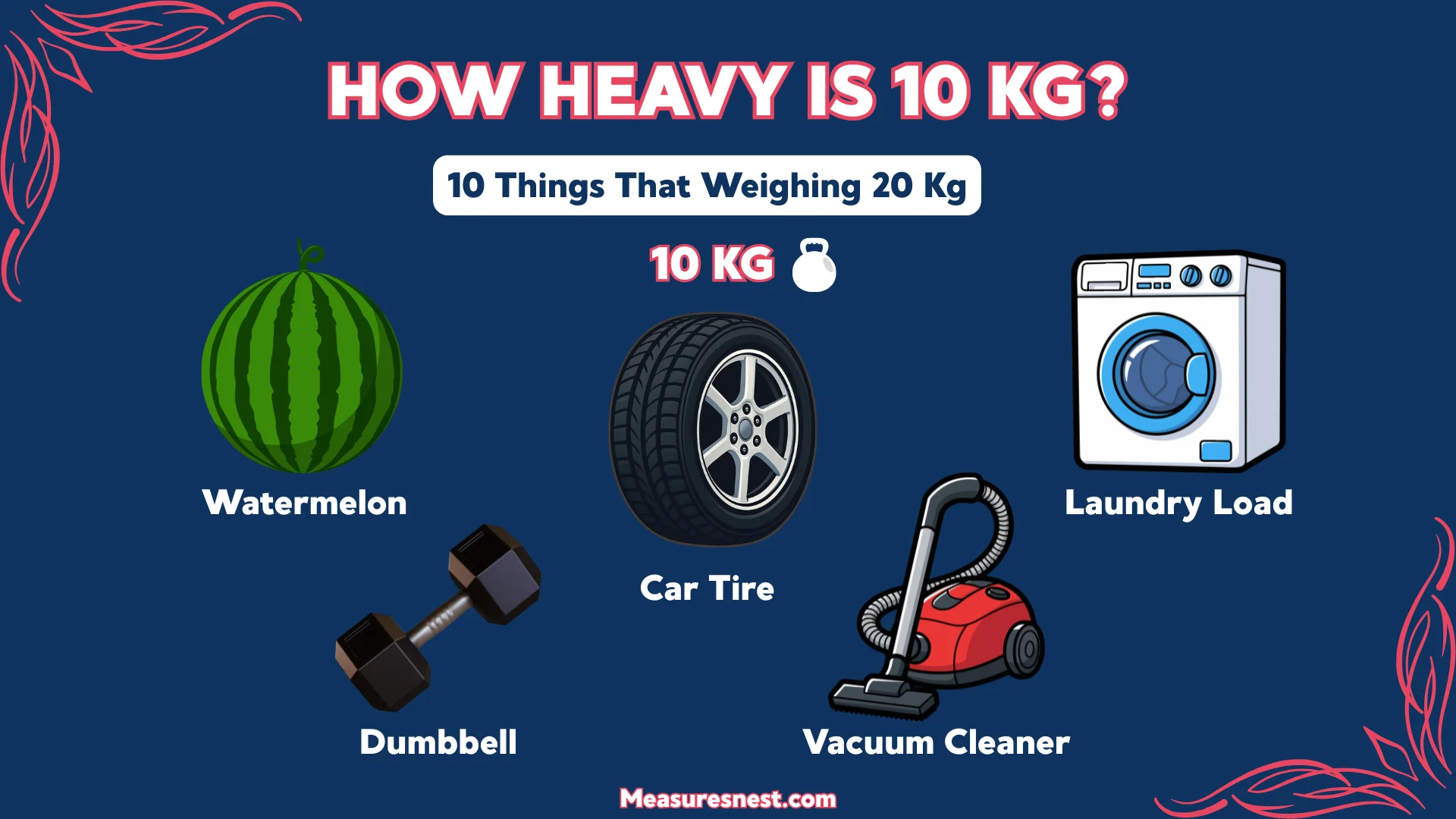
These everyday items demonstrate exactly how heavy 10 kilograms is in real life. From kitchen staples to gym equipment, this weight appears constantly in the objects you handle throughout your daily routine.
10 kg Bag of Rice or Flour

A standard 10-kilogram (22.05 lb) bag of rice or flour is one of the most universally consistent weight references in the world sold at this exact size in supermarkets, Asian grocery stores, and wholesale food suppliers across every continent. That bulky, firm bag fits neatly in two hands and lands with a satisfying thud on the kitchen counter. Home cooks, restaurant chefs, and bakery owners lift bags exactly this weight as a completely routine part of their daily food prep.
The 10 kg (22.05 lb) rice or flour bag is arguably the single most reliable real-world weight reference most people encounter at the grocery store every week. If you’ve ever hauled one from the car to the pantry, you already know exactly how this weight feels.
10 kg Dumbbell or Kettlebell
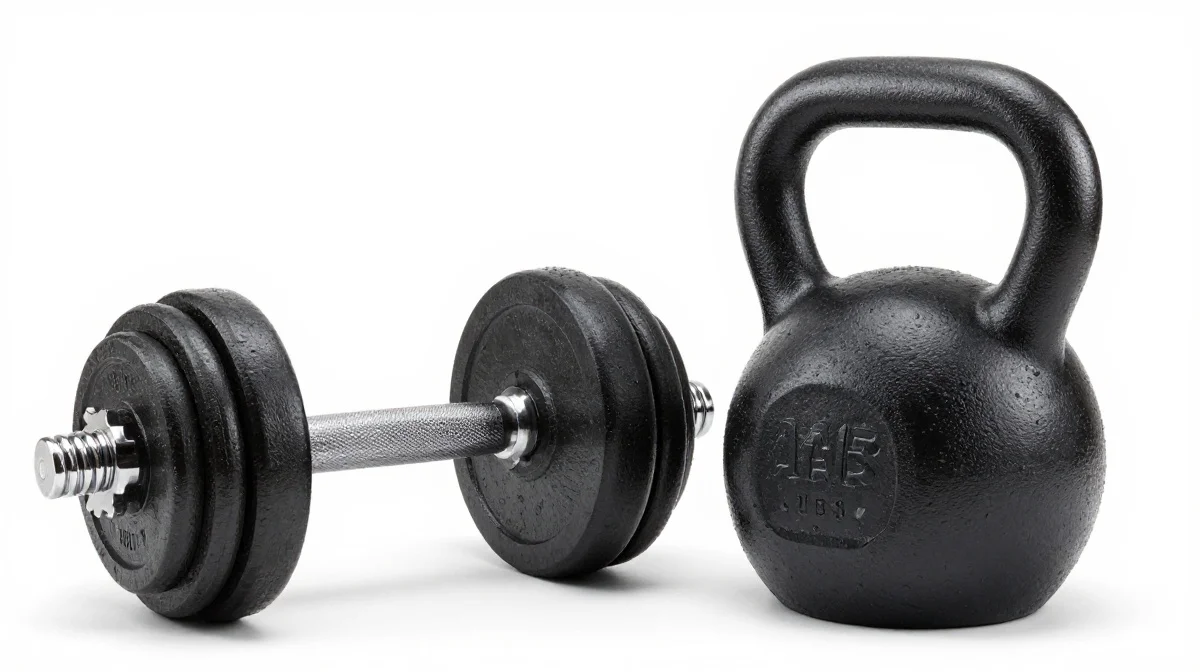
A 10-kilogram (22.05 lb) dumbbell or kettlebell is the most popular beginner-to-intermediate weight in gym equipment worldwide sold in every fitness store, used in every group fitness class, and found in almost every home gym setup. It’s heavy enough to build real muscle and improve cardiovascular fitness, but light enough to control through a full range of motion. Personal trainers and group fitness instructors use the 10 kg (22.05 lb) weight as their go-to recommendation for adults starting strength training for the first time.
Millions of people around the world pick up a 10-kilogram (22.05 lb) dumbbell or kettlebell every single day during workouts. It’s the most precisely standardized and universally available physical example of this exact weight you’ll ever hold.
Small Toddler (2–3 Years Old)
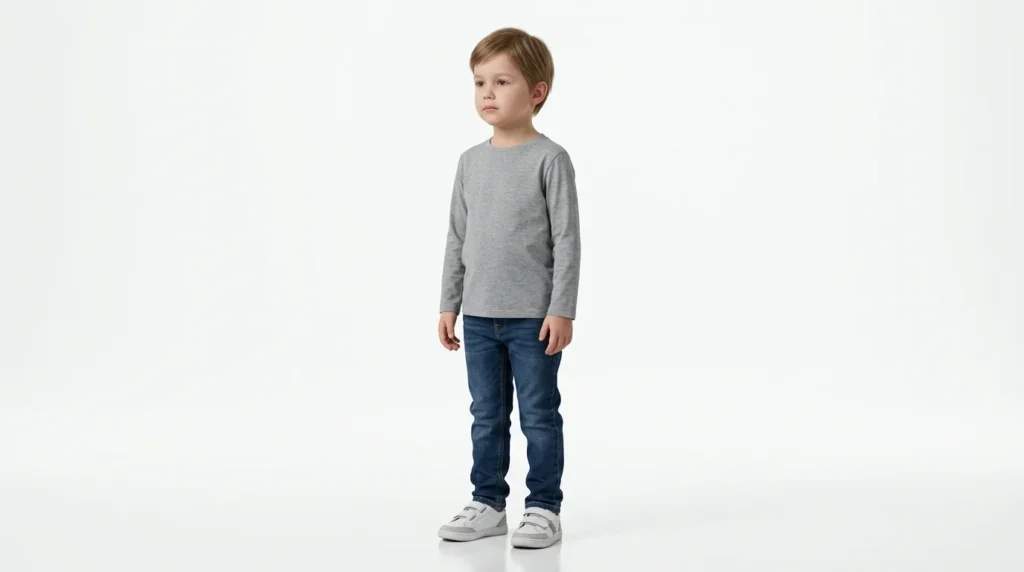
The average healthy toddler between two and three years old weighs approximately 10 kilograms (22.05 lbs) according to WHO child growth standards. At this age and weight, toddlers are curious, wiggly, and completely unpredictable which makes carrying them genuinely tiring even over short distances. Pediatricians, childcare workers, and early childhood nurses use Ten kilograms (22.05 lbs) as the benchmark weight for children in this developmental stage when planning lifting protocols and designing childcare facilities.
Parents of toddlers this age carry 10 kilograms (22.05 lbs) of energetic, squirming human dozens of times every single day. It’s one of the most relatable and memorable real-world demonstrations of this weight for any parent.
Full Laundry Load
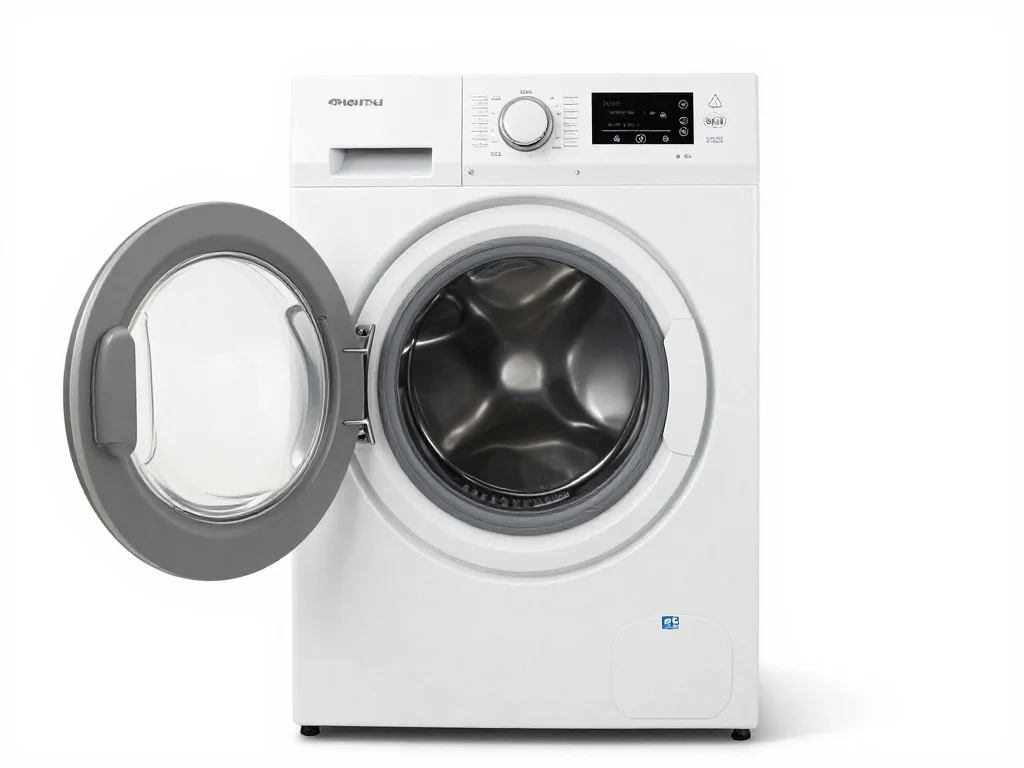
A standard residential washing machine load a mix of jeans, towels, shirts, and underwear weighs between 5 and 10 kilograms (11 and 22.05 lbs) when dry, with a fully packed heavy load hitting exactly 10 kilograms (22.05 lbs). That’s why most household front-loading and top-loading washing machines advertise a 10 kg (22.05 lb) drum capacity as their standard size. Appliance manufacturers, laundry product developers, and home economics researchers all use Ten kilograms (22.05 lbs) as their baseline load size when testing cleaning performance and energy efficiency.
The 10-kilogram (22.05 lb) laundry load is so universally standard that it defines the entire residential washing machine product category. Every time you do a big wash, you’re working with this exact weight reference right in your own home.
Large Watermelon
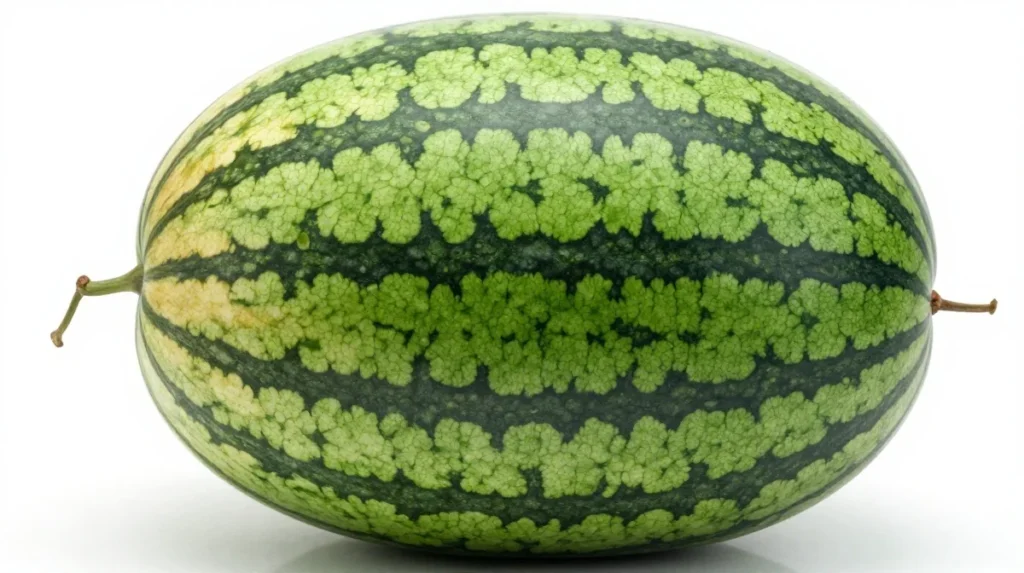
A large, fully ripe summer watermelon typically weighs between 8 and 12 kilograms (17.6 to 26.5 lbs), with the most commonly sold large-size fruit landing almost exactly at 10 kilograms (22.05 lbs). That round, dense, surprisingly heavy fruit gives you an instant hands-on experience of this weight the moment you try to pick one up off the display stand at a market. Produce buyers, fruit vendors, and supermarket fresh food managers handle watermelons this weight constantly throughout the summer selling season.
The large watermelon is one of the most fun and surprising ways to encounter 10 kilograms (22.05 lbs) in real life. Most people underestimate how heavy a watermelon is until it’s in their arms halfway across a car park.
Standard Car Tire
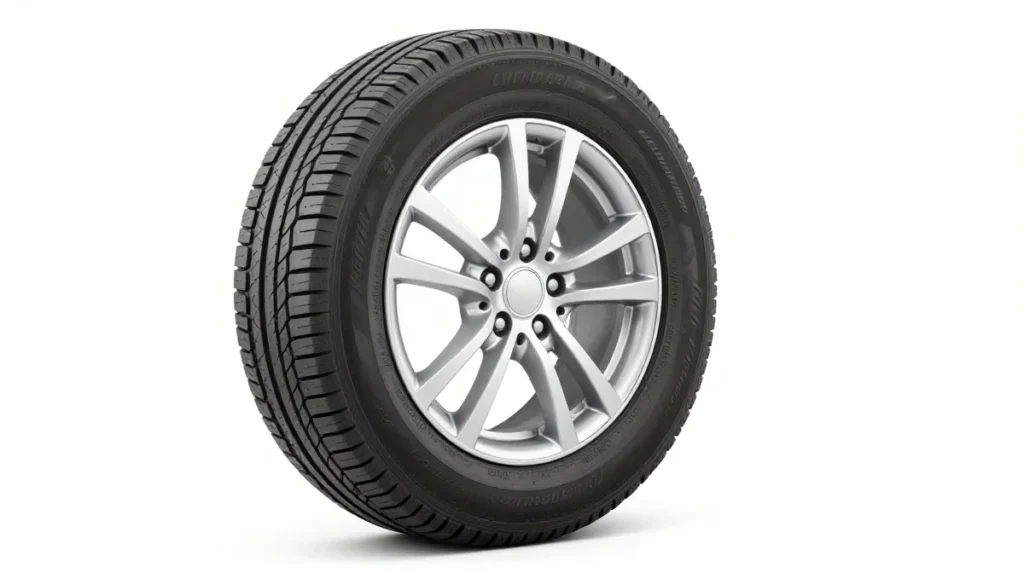
A standard passenger car tire the kind fitted to sedans, hatchbacks, and small SUVs weighs between 8 and 12 kilograms (17.6 to 26.5 lbs), with the most common sizes averaging right at 10 kilograms (22.05 lbs). That compact, rubber-and-steel ring is dense, awkward to grip, and perfectly demonstrates why mechanics use tire trolleys and lift assists. Automotive technicians, tyre fitters, and roadside assist workers handle tires at this exact weight dozens of times every single working day.
Car owners who change their own tyres at home quickly discover how deceptively heavy 10 kilograms (22.05 lbs) of rubber feels when you’re crouching on cold pavement. A single tyre at this weight gives you a perfectly honest introduction to what this load demands from your hands and back.
Bag of Potatoes (Large)
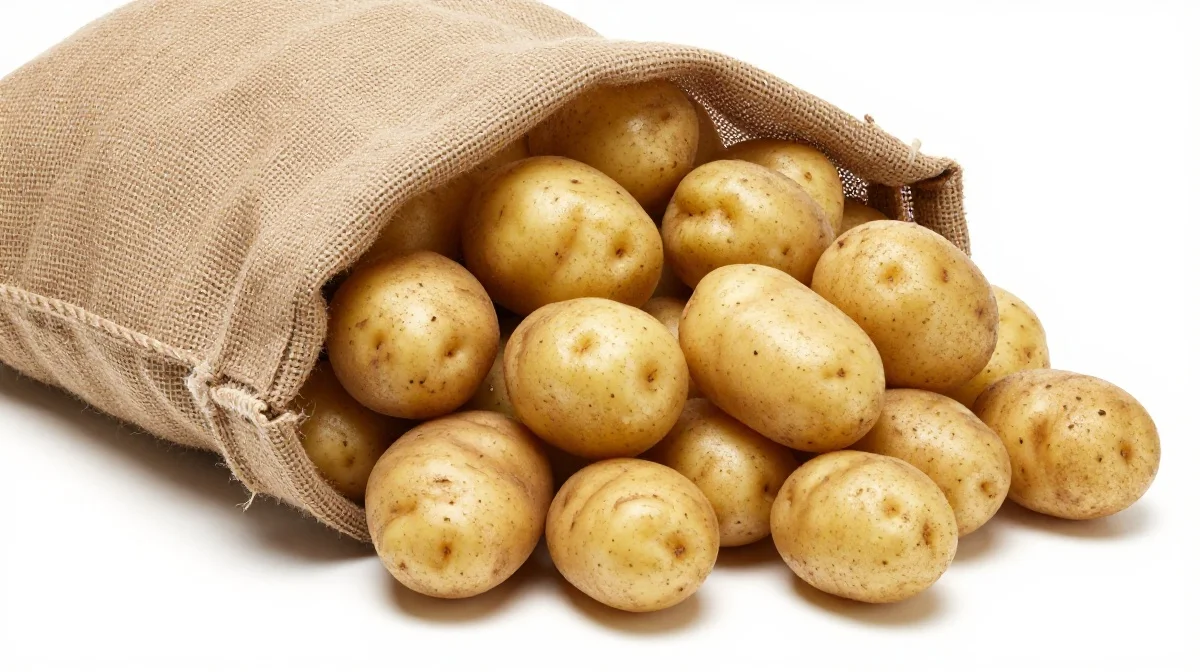
A large bag of potatoes sold at supermarkets, farmers’ markets, and wholesale grocers consistently weighs 10 kilograms (22.05 lbs) as a standard retail size across many countries. That bulging sack is firm, compact, and genuinely heavy especially when you’re hoisting it out of a low trolley shelf onto a checkout conveyor. Greengrocers, restaurant kitchen staff, and catering suppliers move 10-kilogram (22.05 lb) produce bags constantly as a core part of their everyday food handling operations.
The Ten kg (22.05 lb) potato bag is one of the most consistent weight standards in the entire fresh food retail industry. Next time you grab one at the supermarket and feel the pull in your arm, you’re experiencing this measurement exactly as it feels in real life.
Heavy-Duty Vacuum Cleaner
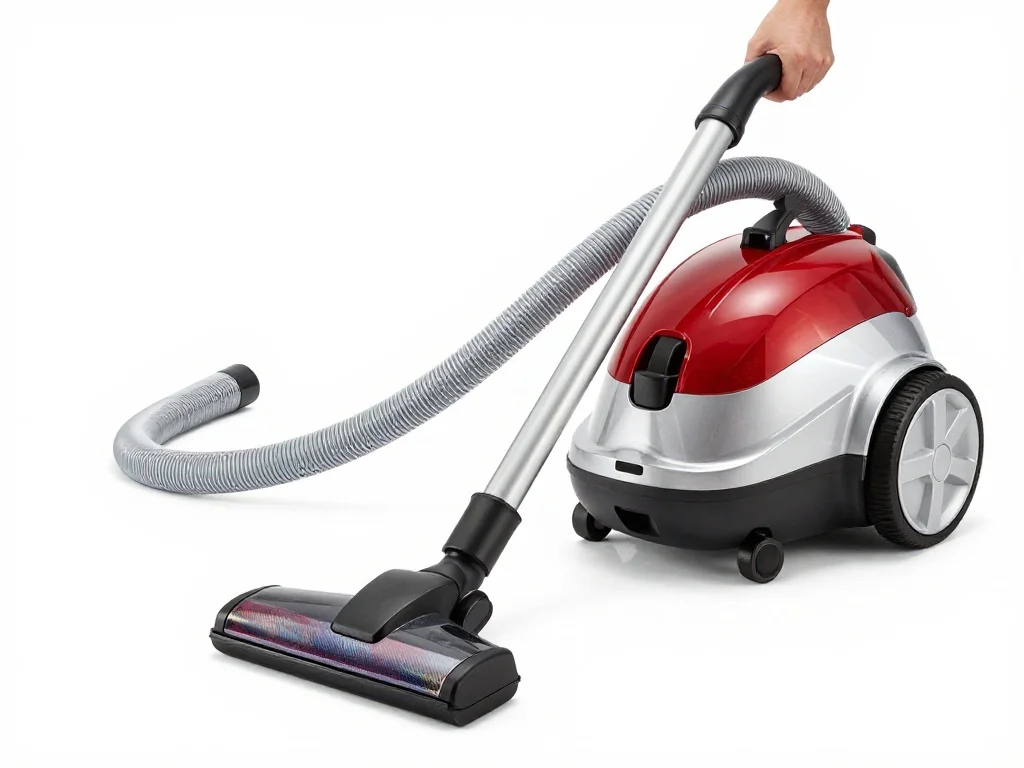
A commercial-grade upright or canister vacuum cleaner the kind used in hotels, office buildings, and large residential properties weighs between 8 and 12 kilograms (17.6 to 26.5 lbs), with most professional models averaging exactly 10 kilograms (22.05 lbs). That weight gives the machine the stability and suction power it needs to clean large floor areas efficiently without tipping or skipping. Professional cleaners, hotel housekeeping staff, and facilities management teams push and carry vacuums this weight across large buildings every single working shift.
Consumer-grade barrel vacuums and high-powered uprights in the premium tier consistently hit the 10-kilogram (22.05 lb) mark too. It’s the weight class where vacuum cleaners transition from lightweight home tools to serious, purpose-built cleaning machines.
Bucket of Paint (Large)
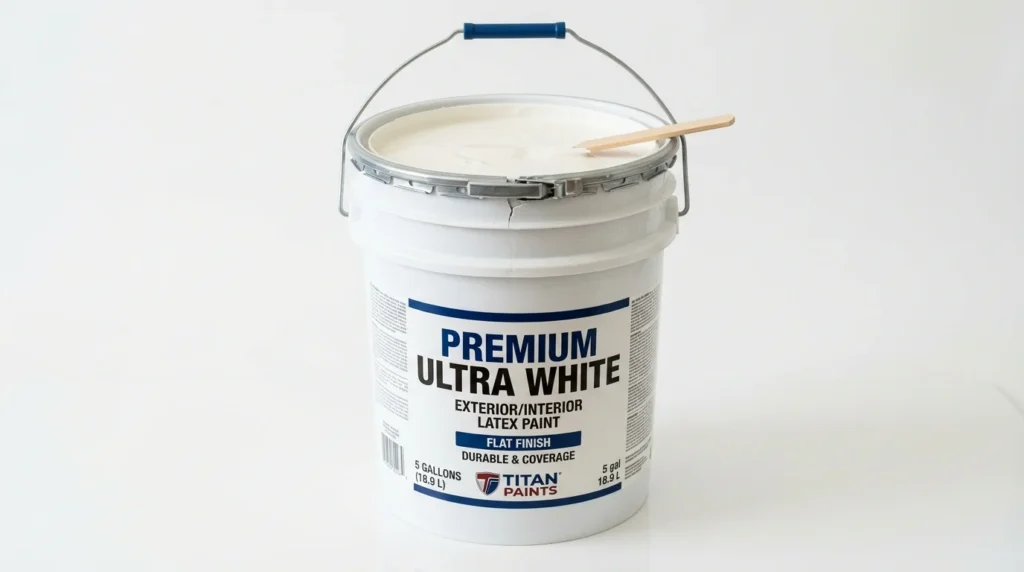
A standard 10-liter (2.6-gallon) bucket of interior or exterior house paint weighs almost exactly 10 kilograms (22.05 lbs), since most water-based paints have a density very close to water. That wide, sloshing, handle-digging bucket is a staple of every residential and commercial painting job anywhere in the world. Professional painters, building contractors, and hardware store staff carry and stack 10-kilogram (22.05 lb) paint buckets constantly throughout every working day on any painting project.
Homeowners who’ve repainted a room know the exact feeling of hauling a full Ten kg (22.05 lb) paint bucket up a ladder or across a drop cloth. It’s one of the most widely recognized and consistently weighted items in any hardware store worldwide.
Four to Five Standard House Bricks
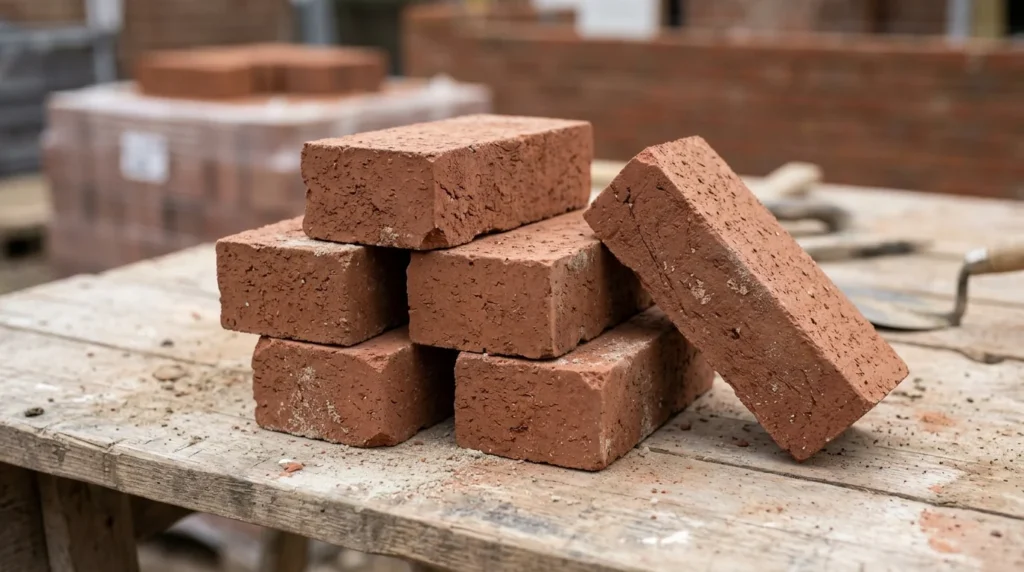
A standard clay house brick weighs approximately 2 to 2.5 kilograms (4.4 to 5.5 lbs) each, meaning a stack of four to five bricks reaches exactly 10 kilograms (22.05 lbs). This is the weight bricklayers carry in each hand when stacking courses, making it one of the most physically punishing weight references in any trade. Construction workers, bricklayers, and masonry contractors handle stacks exactly this weight hundreds of times every single day on an active building site.
Four to five bricks at 10 kilograms (22.05 lbs) is such a consistent and precise weight combination that experienced bricklayers can judge it by feel alone after just a few weeks on the job. It’s a simple, accessible, and always-available reference for this weight at any construction site.
10 Kilograms Without a Scale
Carry a Toddler The average two-to-three-year-old child weighs approximately 10 kilograms (22.05 lbs). Pick one up and hold them for 60 seconds the growing arm fatigue you feel is your body’s most honest scale. Any parent, childcare worker, or babysitter already carries this exact weight regularly.
Fill Two Grocery Bags Fill two standard supermarket reusable shopping bags with canned goods, milk, and bread until each feels genuinely heavy. Two bags filled to a total of 10 kilograms (22.05 lbs) is a weight most adults carry from the car to the kitchen several times a week without thinking twice about it.
Use a 10-Liter Water Container Fill a 10-liter (2.6-gallon) camping water container or storage jug completely. Since one liter of water weighs exactly one kilogram, a full container weighs precisely 10 kilograms (22.05 lbs) no guessing, no estimation. Campers, emergency preppers, and outdoor enthusiasts rely on this exact calculation as their most trusted field weight reference.
Grab a Gym Dumbbell Walk into any gym and pick the 10 kg (22.05 lb) dumbbell off the rack. Hold it in one hand at your side for 30 seconds. That specific pulling sensation in your shoulder and forearm is the clearest physical experience of this weight you can get anywhere, any time you need it.
10 Kilograms Matters in Everyday Life
Grocery shopping and cooking become easier when you understand 10 kilograms. Knowing that a large bag of rice, a bucket of paint, or a bag of potatoes all hit this weight helps you plan whether you need a trolley, a second trip, or a helping hand before you even leave home.
Shopping for gym equipment online gets smarter when you picture 10 kilograms. A 10 kg (22.05 lb) dumbbell or kettlebell is the perfect beginner-to-intermediate training weight understanding this size helps you order the right starting weight without guessing and wasting money on equipment that’s too light to progress with.
Home renovation and construction planning improves when you recognize this threshold. Four to five standard bricks, a full paint bucket, or a laundry drum all weigh 10 kilograms (22.05 lbs) knowing this helps you estimate how many bags or loads you can safely carry before fatigue increases your injury risk on the job.
Safety planning at home becomes more practical when you know this weight. A filled 10-liter (2.6-gallon) emergency water container weighs exactly 10 kilograms (22.05 lbs) this tells you precisely where to store it, what shelf strength you need, and whether you can move it quickly in an emergency without straining your back.
Read: How Heavy Is 20 Pounds
Read: How Heavy Is 30 Kg
Read: How Heavy Is 50 Pounds
Read: How Heavy Is 10 Ounces
Read: How Heavy Is 10 Tons
Read: How Heavy Is 20 Kg
Frequently Asked Question
How heavy is 10 kilograms in pounds?
10 kilograms equals exactly 22.05 pounds (352.7 oz). It’s a manageable but genuinely noticeable weight most adults can carry it comfortably for short distances but feel the effort clearly after a minute or two. This is the weight of a large bag of rice, a standard gym dumbbell, or a healthy two-year-old toddler.
What common household items weigh exactly 10 kilograms?
Several consistent everyday objects hit this weight reliably. A large bag of rice or flour, a 10 kg (22.05 lb) gym dumbbell, a standard car tyre, a full 10-liter (2.6-gallon) paint bucket, and a large ripe watermelon all weigh approximately 10 kilograms (22.05 lbs). These give you instant real-world anchors for visualizing this weight without any measuring equipment.
Can one person safely lift 10 kilograms alone?
Yes, 10 kilograms (22.05 lbs) is well within the safe solo lifting range for most healthy adults using proper technique. Bend your knees, keep the load close to your body, and avoid twisting while holding it. The internationally recommended guideline for caution begins at 25 kilograms (55.1 lbs), so 10 kg sits comfortably below that threshold for occasional lifts.
How many 10 kg bags of rice fit in a standard shopping trolley?
A standard supermarket trolley safely holds between 6 and 10 bags of 10 kilograms (22.05 lbs) each before it becomes difficult to push and maneuver. That’s a total load of 60 to 100 kilograms (132 to 220 lbs) which is why trolley handles and wheel axles are engineered to handle far more than any single grocery shop produces. In practice, most shoppers buy one or two 10 kg (22.05 lb) bags per visit and carry them out in both hands.
Conclusion
10 kilograms appears constantly in your daily life through bags of rice, gym dumbbells, large watermelons, and the toddler who wants to be carried everywhere. This practical measurement equals 22.05 pounds roughly the weight of two fully loaded large grocery bags or a single standard car tyre sitting in your garage.
Now that you recognize common 10-kilogram objects, you can lift more confidently at the gym, plan grocery trips more smartly, and judge everyday loads instantly without a scale. Use these familiar references a bag of rice, a paint bucket, or a 10 kg (22.05 lb) dumbbell when shopping in bulk, doing home renovations, or building a home gym for better accuracy and confident decisions.