Buttload Measurements: 126 Gallons Volume (2026)
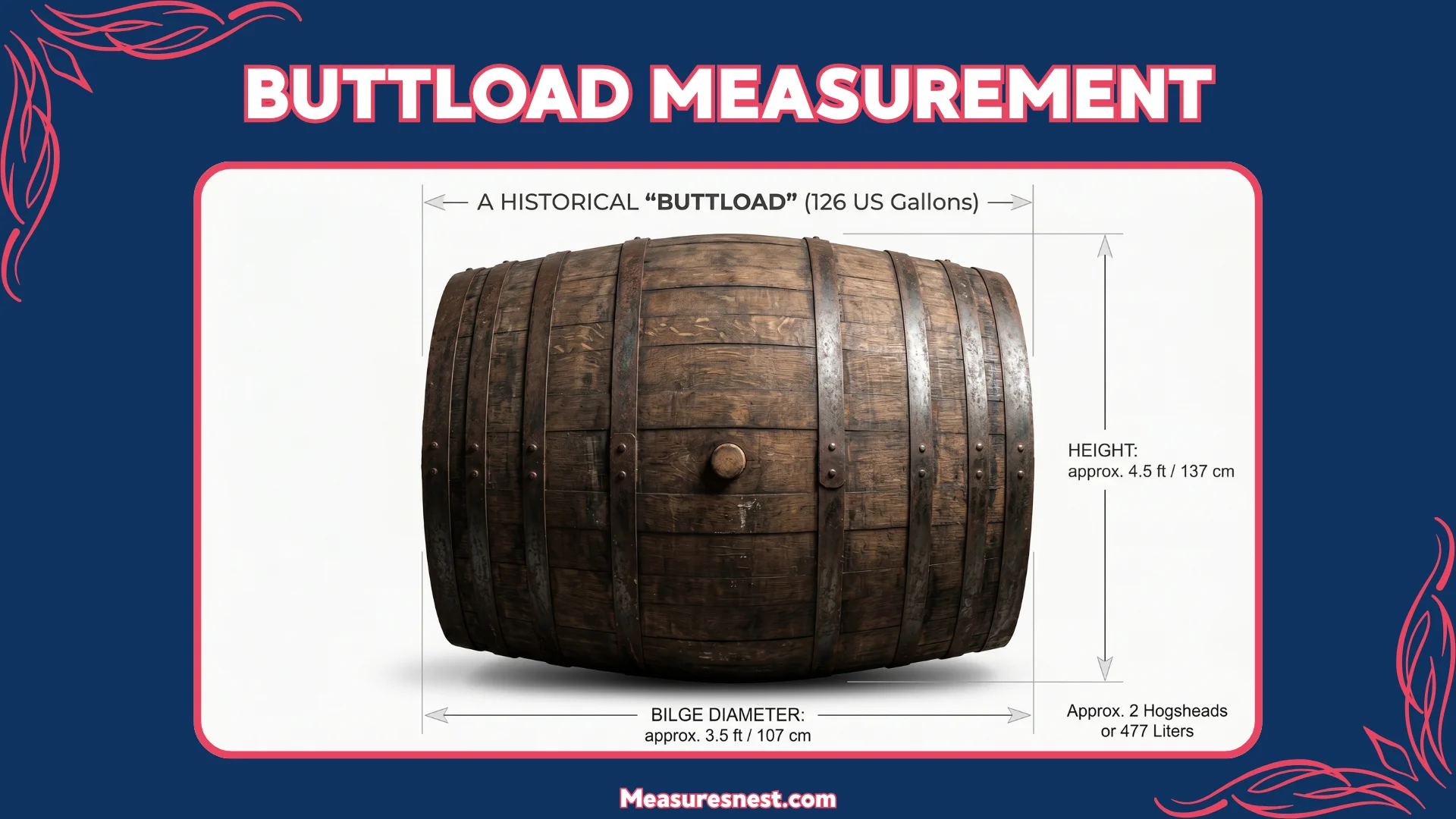
A buttload equals exactly 126 US gallons (476.96 liters) a real, official unit of volume used in medieval trade for centuries. It’s roughly the amount of liquid that fills two standard bathtubs, holds the contents of 1,008 standard wine glasses, or equals nearly 17 full car fuel tanks.
Whether you’re researching historical measurement systems, settling a curious argument about the word’s origin, or comparing old barrel sizes to modern units, understanding the buttload measurement gives you an instant reference point.
Quick Conversion Box
1 buttload = 126 US gallons
1 buttload = 476.96 liters
1 buttload = 104.99 Imperial gallons
1 buttload = 63 US dry gallons (2 hogsheads)
What Is a Buttload?
A buttload also spelled “butt” is 126 US gallons (476.96 liters) of liquid volume, and it’s one of the most entertainingly named official measurements in history. It equals exactly two hogsheads or half a tun the two neighboring units in the medieval English barrel measurement system. Historians, antique wine merchants, and scholars of weights and measures all recognize the butt as a completely legitimate unit.
The word “butt” comes from the Old French word botte and the Latin buttis, both meaning “cask” or “barrel.” It has nothing to do with modern slang the term predates the joke by several centuries.
How the Buttload Measurement Was Used in Medieval Trade
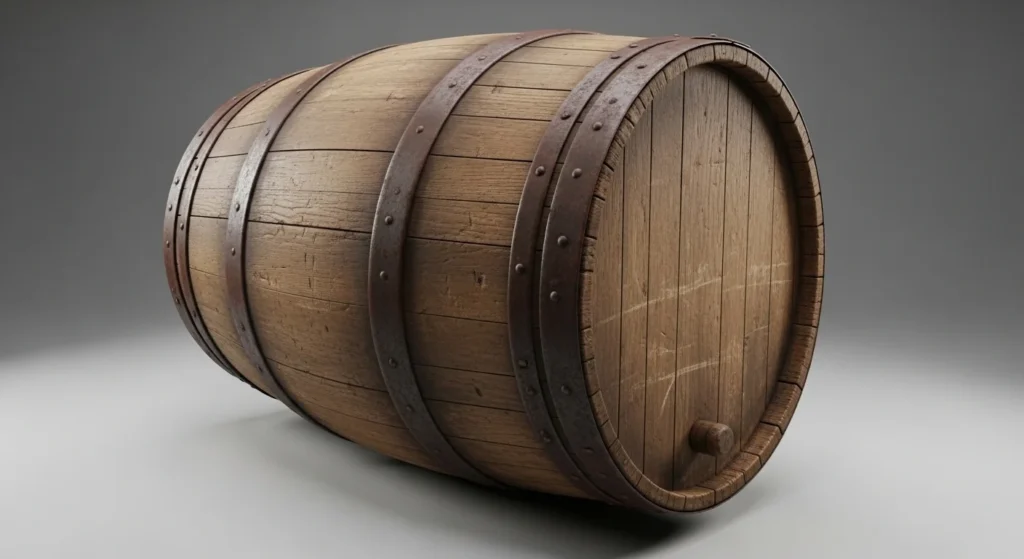
The butt cask was a workhorse of medieval commerce. Merchants and traders used it primarily for storing and shipping wine, ale, and spirits across Europe. A standard butt held exactly 126 gallons (476.96 liters) large enough to supply an entire town’s weekly wine ration, but still manageable to roll onto a trading ship or into a stone cellar.
English customs officials used the butt as a standard taxable unit from the 13th century onward. When a ship arrived at port carrying wine from France or Spain, customs officers counted the butts to calculate the import tax owed.
Coopers the craftsmen who built wooden barrels and casks shaped butt casks to a consistent size so every merchant and tax collector knew exactly what they were measuring. A skilled cooper could build a butt cask to hold 126 gallons (476.96 liters) accurately and consistently using only hand tools and decades of practice.
The English Barrel Measurement System
The butt sat inside a carefully organized hierarchy of liquid volume measurements. Every unit related to every other unit by a clean ratio making conversion simple for traders who handled multiple cask sizes.
| Unit | US Gallons | Liters | Relationship |
|---|---|---|---|
| Gill | 0.118 gal | 0.45 L | Smallest unit |
| Pint | 0.5 gal | 1.89 L | 4 gills |
| Quart | 1 gal | 3.79 L | 2 pints |
| Gallon | 1 gal | 3.79 L | 4 quarts |
| Firkin | 9 gal | 34.07 L | 9 gallons |
| Kilderkin | 18 gal | 68.14 L | 2 firkins |
| Barrel | 31.5 gal | 119.24 L | 3.5 firkins |
| Hogshead | 63 gal | 238.48 L | 2 barrels |
| Butt (Buttload) | 126 gal | 476.96 L | 2 hogsheads |
| Tun | 252 gal | 953.92 L | 2 butts |
The tun was the largest unit in this system at 252 gallons (953.92 liters) exactly two buttloads. A tun of wine could supply a medieval lord’s household for months. The entire hierarchy ran from the tiny gill all the way up to the tun, with the butt sitting neatly at the second-largest position.
Wine and ale merchants memorized these ratios the way modern businesspeople memorize currency exchange rates their profits and legal standing depended on getting the numbers exactly right.
From Historical Butt Cask to Modern Slang
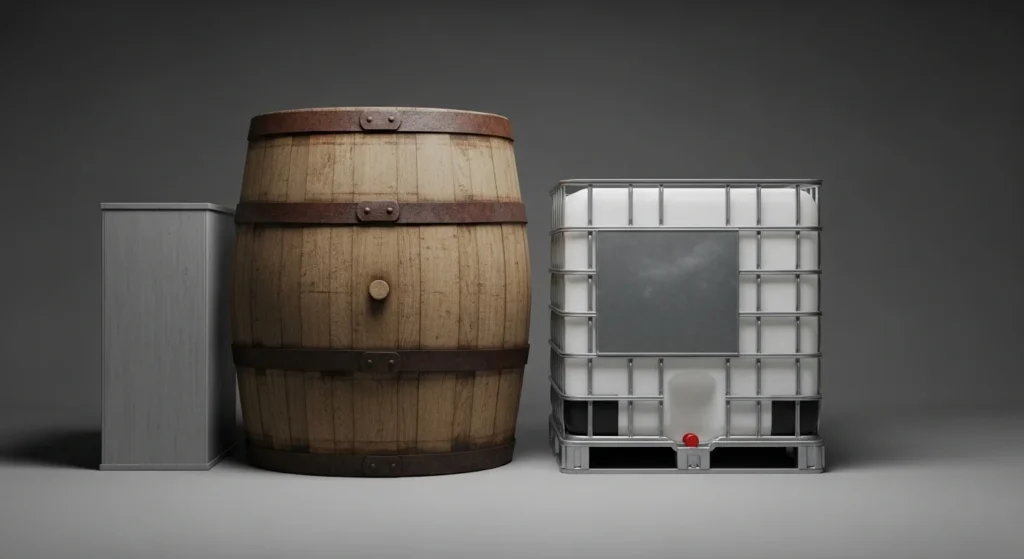
The word “buttload” drifted from its serious commercial origins into everyday slang but that journey took centuries. By the 17th and 18th centuries, as the metric system began replacing traditional English measurements in parts of Europe, specific cask names like “butt” gradually lost their precise technical meaning for most people.
Modern English speakers use “a buttload” to mean “a very large amount” often humorously. The irony is that the original buttload was precisely defined at 126 gallons (476.96 liters). Today’s casual slang use is actually less precise than the medieval original.
The transition from technical term to slang mirrors other measurement words that lost their precision over time. “A ton” now loosely means “a lot” in casual speech, even though a ton is still precisely 2,000 pounds (907.18 kg) in the US or 2,240 pounds (1,016.05 kg) in the UK. The butt followed the same path specific measurement first, exaggerated slang second.
Buttload vs. Other Barrel Measurements
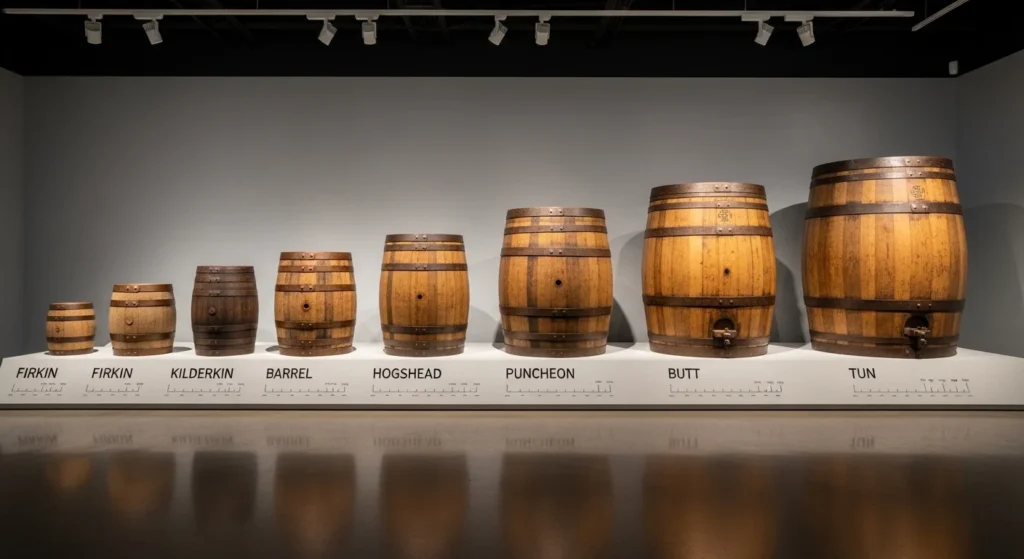
Understanding where a buttload sits relative to other classic barrel measurements helps you picture its real size. These comparisons show exactly how the 126-gallon (476.96-liter) butt related to its neighbors in everyday medieval trade.
These historical barrel measurements demonstrate exactly how large a buttload is in real life. From small firkins to enormous tuns, this measurement system appeared everywhere in medieval commerce.
Firkin
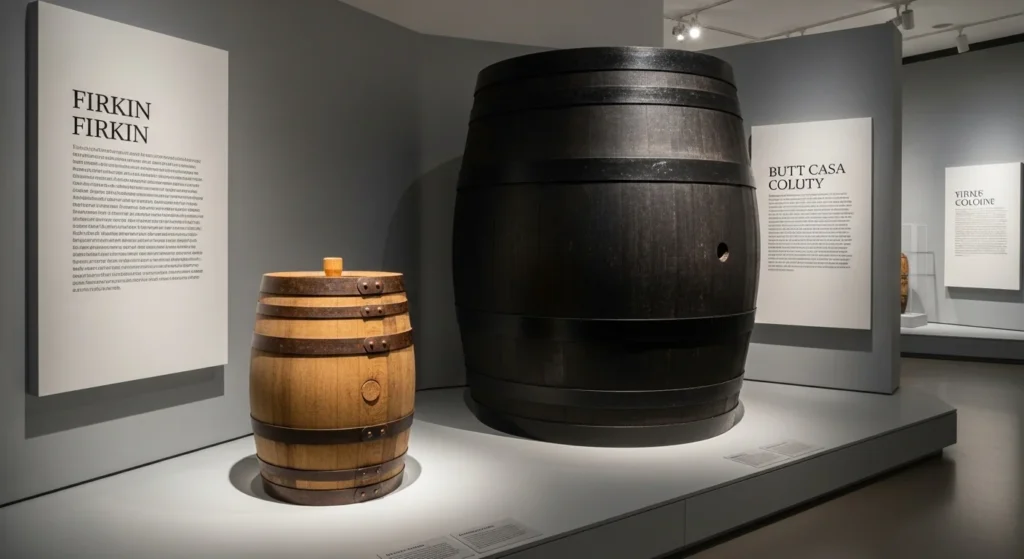
A firkin held exactly 9 US gallons (34.07 liters) roughly the size of a modern beer keg’s little sibling. This smaller cask was the standard unit for ale distribution to taverns and households.
One firkin was the most commonly traded cask size for everyday ale purchases in medieval England. A full buttload equaled exactly 14 firkins giving you a clear picture of just how much liquid a butt actually contained.
Hogshead
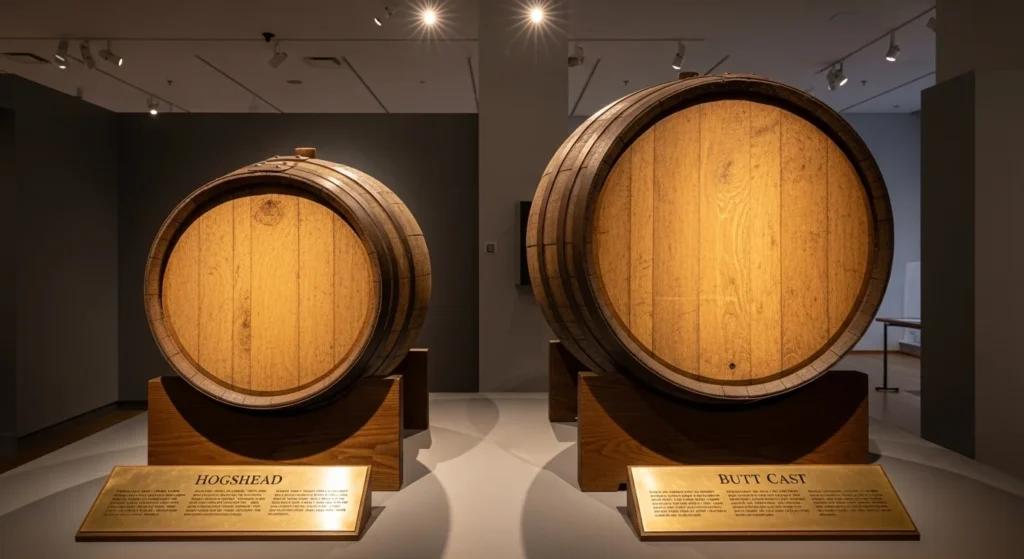
A hogshead held exactly 63 US gallons (238.48 liters) exactly half a buttload. Wine importers used hogsheads as a mid-size shipping unit, practical for smaller orders that didn’t need a full butt. Customs officers, wine merchants, and ship captains tracked hogsheads as a standard taxable unit alongside the butt.
Two hogsheads stacked together equaled one complete buttload of 126 gallons (476.96 liters). The hogshead was the most commonly referenced large cask unit in English legal documents from the 13th to 17th centuries.
Barrel
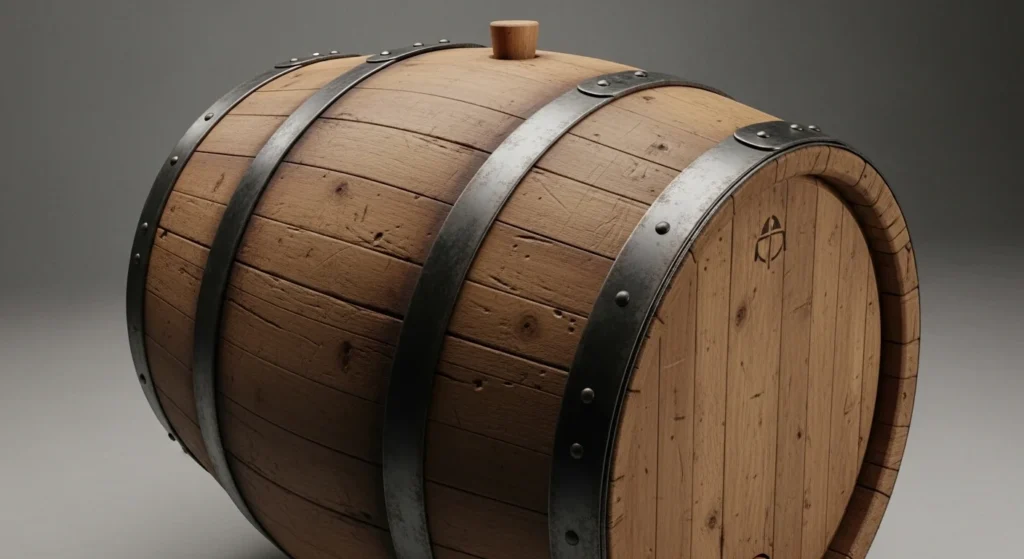
A standard barrel held 31.5 US gallons (119.24 liters) exactly one quarter of a buttload. Barrel sizes varied by product: a wine barrel held 31.5 gallons, a beer barrel held 31 gallons (117.35 liters), and a whisky barrel held slightly different amounts depending on region.
A full buttload equaled exactly four standard wine barrels. This clean ratio made converting between barrel sizes straightforward for merchants who traded multiple types of liquid goods at once.
Tun
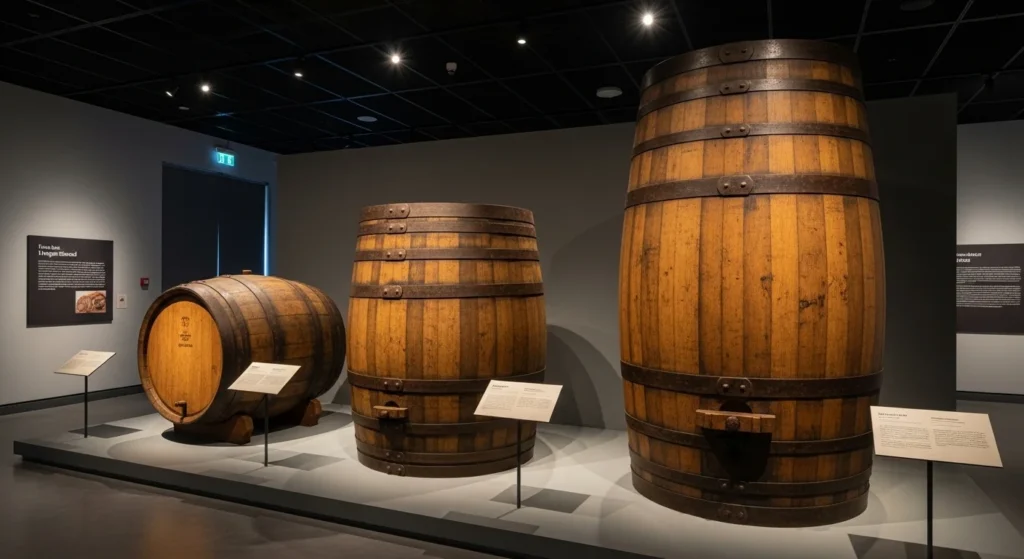
A tun held 252 US gallons (953.92 liters) exactly two buttloads. The tun was the largest standard cask in the English measurement system and was used primarily for long-term wine storage in great houses, monasteries, and castle cellars. A single tun of wine could supply a medieval monastery’s wine ration for an entire season.
The tun was so large that moving it required ramps, levers, and multiple workers. A full tun equaled two buttloads making the butt the practical maximum size for a single person or small team to handle during loading and unloading.
Pipe (Wine Pipe)
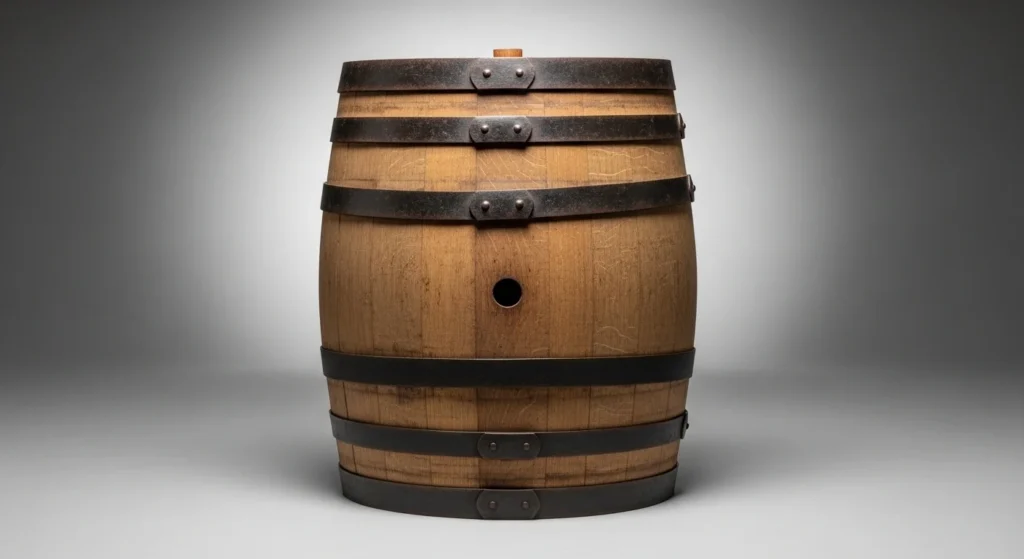
A wine pipe held exactly 126 US gallons (476.96 liters) the same volume as a butt. The pipe and the butt were essentially the same unit used interchangeably for different liquids. Pipe referred specifically to wine and oil, while butt referred to beer, cider, and sometimes wine. Port wine merchants still use the pipe as a standard aging and shipping unit today.
Modern port wine producers in Portugal continue producing pipe-sized casks of 126 gallons (476.96 liters) for aging and shipping premium wines. This makes the pipe and by extension, the buttload one of the few medieval volume units still actively in commercial use in 2026.
Puncheon
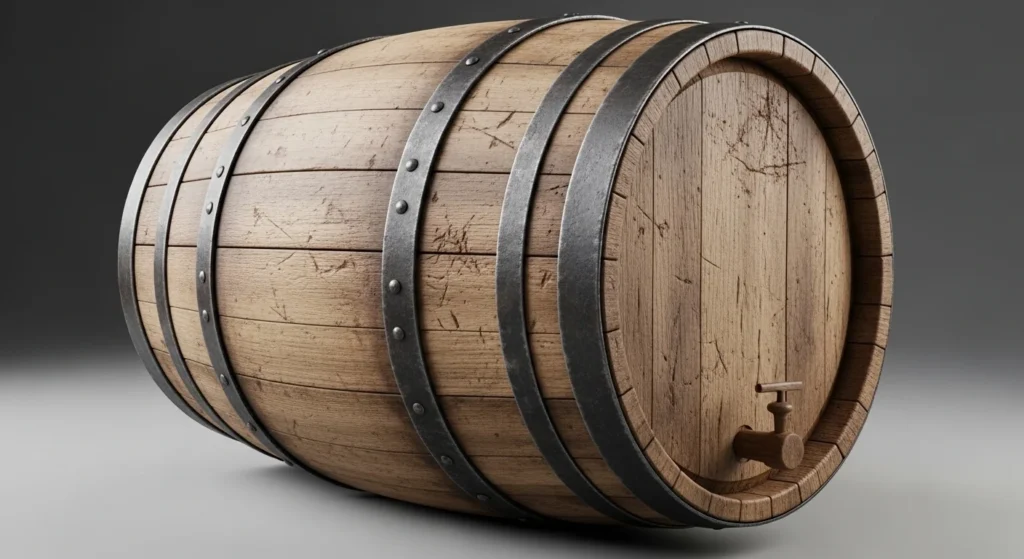
A puncheon held approximately 84 US gallons (317.97 liters) two-thirds of a buttload. The puncheon was the standard cask for rum, molasses, and spirits in the Caribbean trade during the 17th and 18th centuries. Sugar plantation owners, rum distillers, and Royal Navy supply officers relied on the puncheon as a primary shipping unit across Atlantic trade routes.
A single buttload equaled one and a half puncheons a ratio that merchants using both units learned to calculate quickly. The puncheon remains familiar today to whisky distillers and rum producers who still use antique cask terminology in their aging and blending records.
Read: Twin Bed Measurement
Read: Measurement of Queen Bed
Read: How Long is 50 Feet?
Read: How Long Is 16 Inches?
Read: How Long Is 2 Feet?
Read: How Long Is 15 Feet?
Frequently Asked Questions
What is a buttload in gallons?
A buttload equals exactly 126 US gallons (476.96 liters). It’s a real historical unit of liquid volume from the medieval English barrel measurement system. One buttload equals two hogsheads or half a tun both official neighboring units in the same system.
Is “buttload” a real unit of measurement?
Yes the butt is a completely official historical unit equal to 126 US gallons (476.96 liters). English and European traders, customs officials, and coopers used it from the 13th century onward. The word “butt” comes from the Old French botte and Latin buttis, both meaning “cask,” and predates its modern slang use by several centuries.
How many liters is a buttload?
One buttload equals 476.96 liters. In Imperial gallons used in the UK one buttload equals approximately 104.99 Imperial gallons. In US gallons, it equals exactly 126 gallons. The slight difference between US and Imperial gallon measurements means the exact liter value depends on which gallon system you use.
What is the difference between a butt and a hogshead?
A hogshead holds 63 US gallons (238.48 liters) exactly half of a buttload. Two hogsheads equal one butt. Merchants used hogsheads for smaller shipments when a full butt wasn’t needed. Both units appear frequently in historical customs records and legal documents from medieval England.
Is the buttload measurement still used today?
The butt measurement survives today primarily in the port wine industry. Portuguese wine producers still age and ship port wine in pipe casks of 126 gallons (476.96 liters) identical in volume to a butt. Whisky and rum producers also reference old cask terminology including puncheons and hogsheads, keeping this medieval measurement family alive in the spirits industry.
How does a buttload compare to modern containers?
One buttload (126 US gallons / 476.96 liters) equals approximately 1,008 standard wine glasses, 476 one-liter water bottles, or roughly 2.3 standard bathtubs of liquid. It also equals about 17 full car fuel tanks based on a typical 7.5-gallon (28.4-liter) tank. For reference, a standard modern 55-gallon (208.2-liter) drum holds less than half a buttload.
Conclusion
Buttload measurement appears constantly through medieval trade records, historical barrel systems, port wine production, and the surprisingly accurate origins of everyday slang. This substantial measurement equals 126 US gallons (476.96 liters) or the combined contents of roughly two full bathtubs of liquid.
Now that you recognize the real buttload measurement, you can trace its history from medieval customs docks to modern wine cellars, compare it accurately to hogsheads and tuns, and explain its true origin confidently.