How Much Is a Pint? with 5 Real-Life Examples (2026)
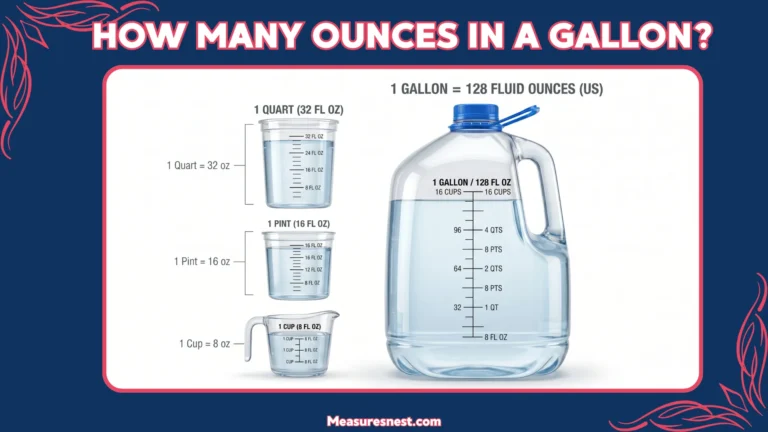
1 pint equals 16 fluid ounces (473 mL) a standard liquid measurement used daily in kitchens, grocery stores, and restaurants across the U.S. It’s roughly the same as filling two standard coffee mugs, matching the height of a typical paperback book, or pouring exactly 32 tablespoons of liquid.
Whether you’re cooking a recipe, shopping for produce, or ordering a craft beer, recognizing common 1-pint references gives you an instant reference point. Let’s explore the everyday items that perfectly demonstrate this practical measurement.
Quick Conversion Box
| Measurement | Equivalent |
|---|---|
| 1 pint | 16 fluid ounces |
| 1 pint | 473 milliliters |
| 1 pint | 2 cups |
| 1 pint | 0.473 liters |
How Much Is a Pint?
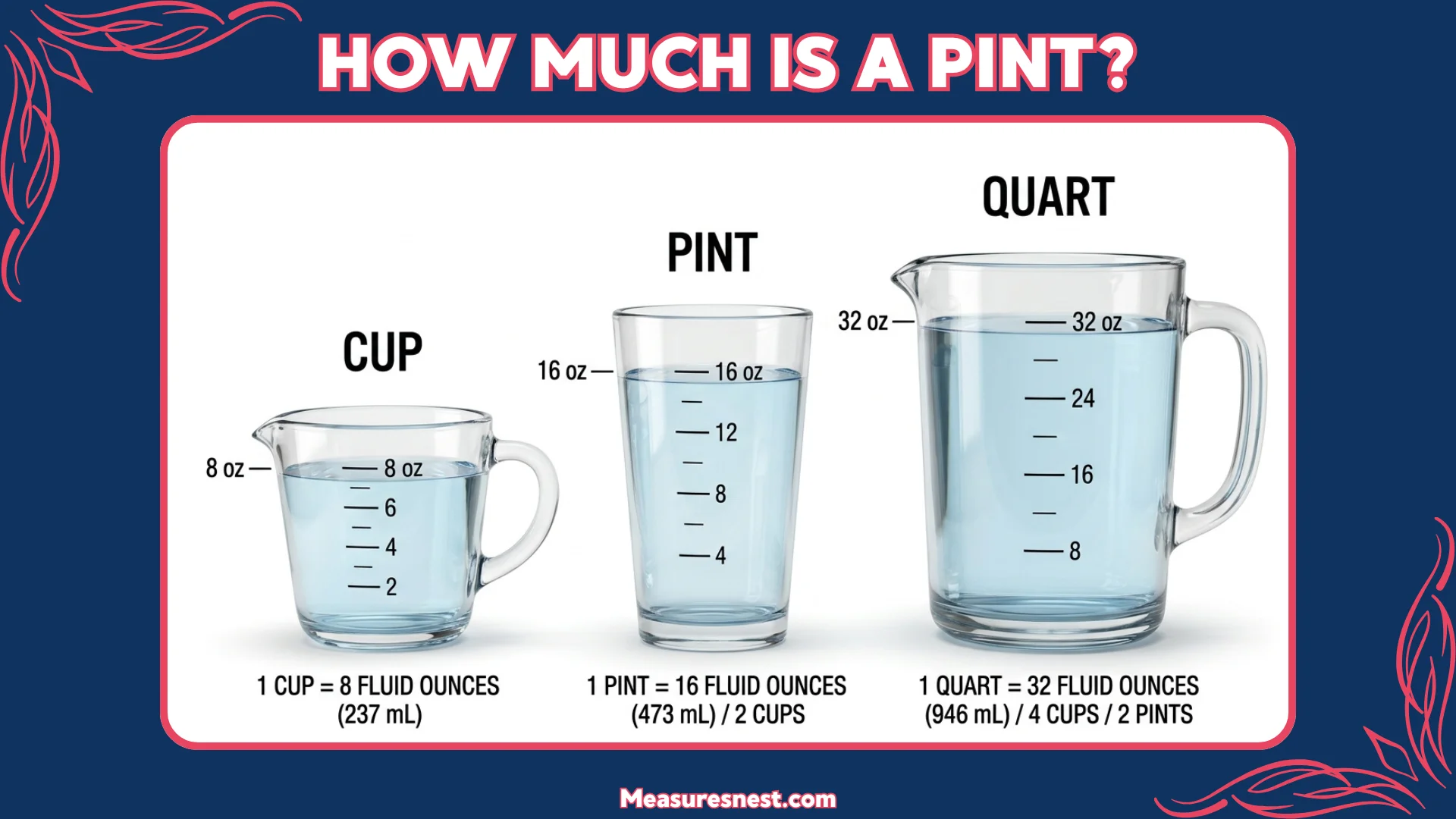
One U.S. pint equals exactly 16 fluid ounces (473 mL), or precisely 2 measuring cups (0.473 liters). Visually, it’s exactly two-thirds of a standard 24 fl oz water bottle — easy to picture instantly.
For a human-scale reference, try this. Cup both of your hands together and slightly curl your fingers. Most adults can hold about 8 to 10 ounces (237 to 296 mL) this way. A pint fills that natural cup twice.
How Many Cups in a Pint
One pint equals exactly 2 cups (473 mL). This is one of the most useful kitchen conversions you’ll ever memorize.
Most standard measuring cups hold 8 fluid ounces (237 mL) each. Fill two of them completely, and you have your pint. Bakers use this relationship constantly when scaling recipes up or down.
How Many Ounces in a Pint
A U.S. pint contains exactly 16 fluid ounces (473 mL). That’s the number printed on most pint-sized containers you find in grocery stores.
Be careful with the British Imperial pint, though. It holds 20 fluid ounces (568 mL) a full 4 ounces (118 mL) more than the U.S. version. This difference matters especially when following a recipe from a UK cookbook.
5 Real-Life Examples of How Much Is a Pint
These everyday items demonstrate exactly how much a pint is in real life. From frozen desserts to cooking staples, this measurement shows up constantly.
A Pint of Ben & Jerry’s Ice Cream
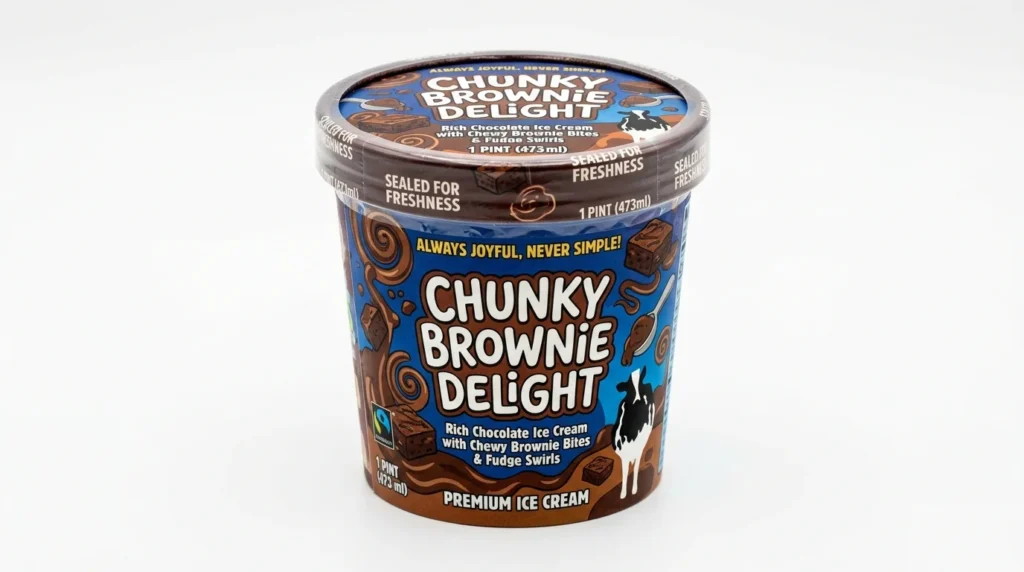
Ben & Jerry’s packages their iconic ice cream in exactly 1-pint (16 fl oz / 473 mL) containers. The short, round tub fits comfortably in one hand and stands about 3.5 inches (8.9 cm) tall. Ice cream brands and food packaging designers use this size because it perfectly balances a single-person serving with shareable portions.
Ben & Jerry’s sells millions of these 16 fl oz pint containers every year across more than 35 countries. Next time you reach for a pint in the freezer aisle, you’re holding the most iconic pint-sized product on the planet.
A Pint of Fresh Blueberries
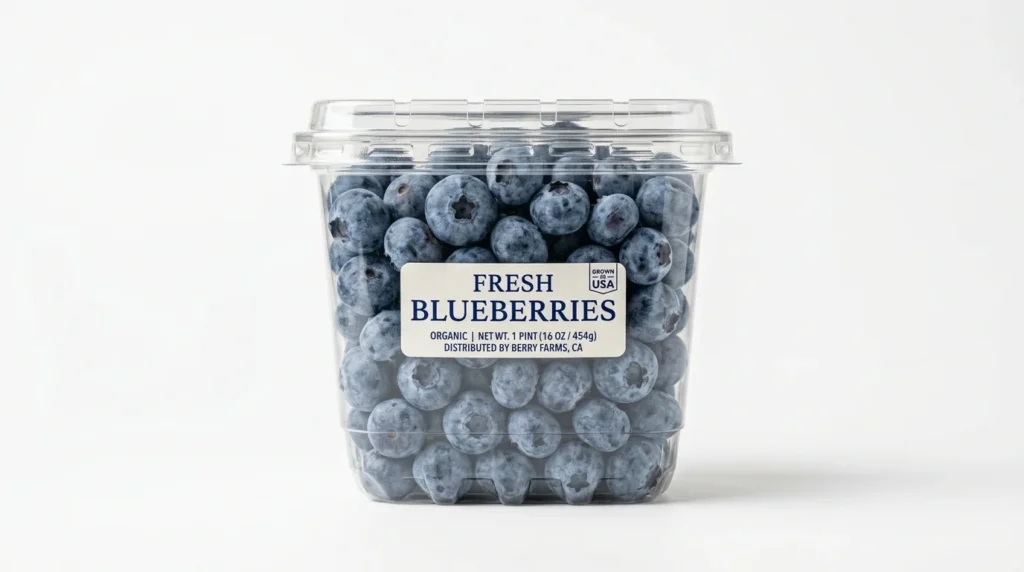
A standard grocery store pint of fresh blueberries weighs approximately 12 ounces (340 grams) — not 16 ounces. This is because the pint container measures volume, not weight, and blueberries leave air gaps between them. The plastic clamshell container typically holds about 2 cups (473 mL) by volume of loosely packed berries.
Produce farmers and grocery buyers use pint containers this way to standardize display and pricing across all berry types. Your 12 oz (340 g) pint of blueberries gives you roughly 1 ½ cups of whole berries perfect for a full batch of blueberry muffins.
A Pint of Whole Milk
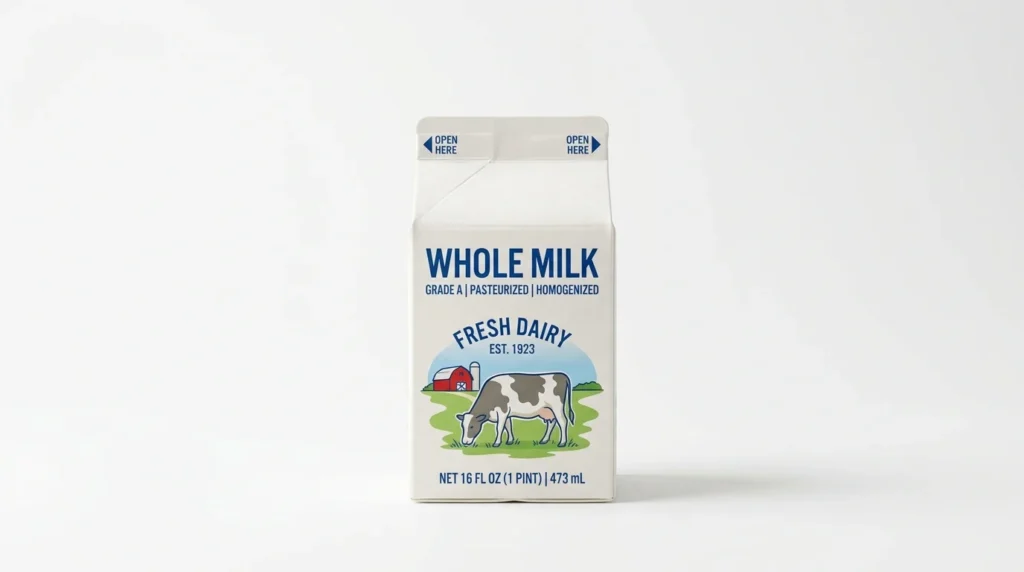
A pint of whole milk equals exactly 16 fl oz (473 mL) the same as two standard glasses of milk. Small school lunch milk cartons and single-serve dairy products are commonly sold in this half-pint (8 fl oz / 237 mL) or full-pint size. Nutritionists and dietitians often reference the pint as a clean, easy serving size for daily calcium goals.
Convenience stores and coffee shops keep 16 fl oz (473 mL) milk containers stocked for customers who need just enough for a recipe or a single use. This pint-sized carton is one of the most recognized food packaging formats in the world.
A Pint of Craft Beer
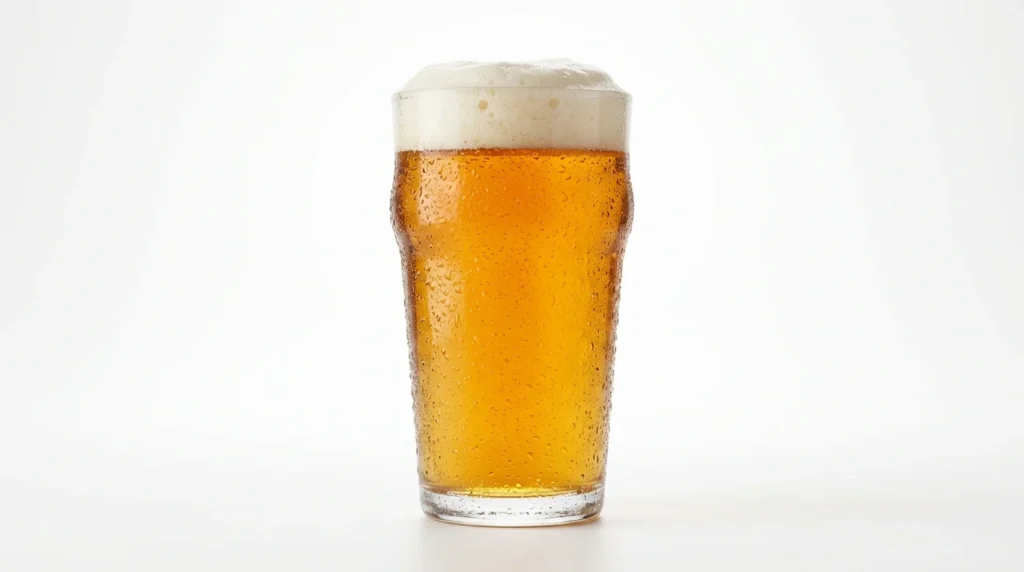
In the U.S., a standard pint of craft beer measures 16 fl oz (473 mL) the amount a typical pint glass holds when properly poured. In the UK and Ireland, a pint of beer is the larger Imperial pint at 20 fl oz (568 mL), served in a taller, wider glass. Bartenders and brewers memorize this difference because it affects pricing, portion sizing, and alcohol serving regulations.
American craft breweries produce their draft pours specifically for 16 fl oz (473 mL) U.S. pint glasses, making this one of the most consumed pint-measurements globally. Whether you’re in a Chicago tap room or a London pub, the pint is the universal beer order.
A Pint of Chicken Broth
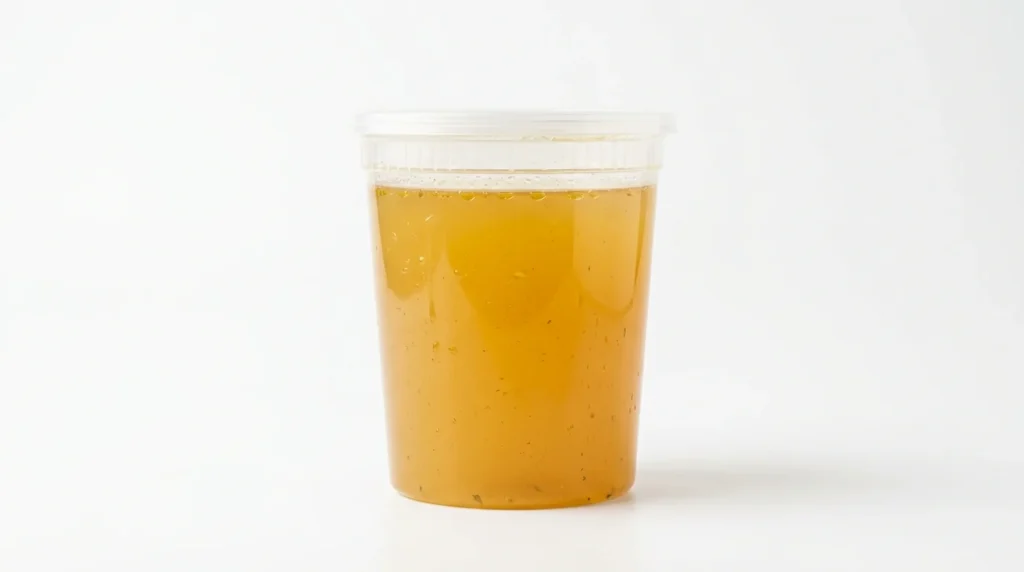
Most chicken broth cartons come in 32 fl oz (946 mL) sizes exactly two pints (2 × 473 mL). When a recipe calls for one pint of broth, you pour exactly half the standard carton. Home cooks and professional chefs rely on this conversion daily when preparing soups, sauces, and braised dishes.
Splitting a standard 32 fl oz (946 mL) broth carton perfectly in half gives you your 1 pint (16 fl oz) every single time. Keeping this measurement in your head makes cooking from scratch significantly faster and more accurate.
Measure a Pint Anywhere (No Ruler Needed!)
Two Handfuls of Water Cup both hands together tightly. Most adults can hold about 8 fl oz (237 mL) in their cupped palms. Do this twice and you’ve visualized your full pint of 16 fl oz (473 mL).
Two Standard Coffee Mugs A regular ceramic coffee mug holds about 8 fl oz (237 mL) when filled to a normal drinking level. Fill two of them completely and pour into one container — that’s your pint, exactly.
A Grocery Store Berry Container That small plastic clamshell container of strawberries or blueberries on the produce shelf? That’s a pint container 2 cups (473 mL) of volume. Pick one up and you’re literally holding a pint.
A Standard Pint Glass The tall, slightly tapered glass at any American bar or restaurant holds exactly 16 fl oz (473 mL) to the brim. If you’ve ever ordered a beer in one of those, you already know exactly what a pint feels like in your hand.
A Pint Matters in Everyday Life
Cooking accuracy improves when you understand pint measurements. Recipes often call for one pint of cream, broth, or berries knowing this equals 2 cups (473 mL) saves you the hassle of converting mid-recipe.
Grocery shopping becomes smarter when you recognize pint containers. You can compare prices more accurately across produce, dairy, and ice cream when you know every pint holds the same 16 fl oz (473 mL) of volume.
Recipe scaling becomes effortless when pints click in your head. Doubling a recipe that needs one pint? You need a quart (32 fl oz / 946 mL) and now you know why broth cartons are that exact size.
Food safety and portioning improve when you think in pints. Many food safety guidelines describe safe storage quantities in pints knowing this measurement helps you store, label, and track food confidently.
Read: ZYN Can Dimensions
Read: Red Bull Can Dimensions
Read: Coke Can Dimensions
Read: Food Can Dimensions
Read: Standard Chips Bag Size
Read: Coffee Can Dimensions
Frequently Asked Questions
How many cups are in a pint?
There are exactly 2 cups in 1 pint. Each cup holds 8 fluid ounces (237 mL), and two of them together give you the full 16 fl oz (473 mL) that make a pint. This is the most useful pint conversion to memorize for everyday cooking.
How many ounces are in a pint?
One U.S. pint equals 16 fluid ounces (473 mL). The Imperial (UK) pint is larger at 20 fluid ounces (568 mL). Always check which pint a recipe references — the 4 fl oz (118 mL) difference can noticeably change results in baking.
Is a pint of blueberries the same as 16 ounces by weight?
No a pint of blueberries measures volume, not weight. A pint container holds 2 cups (473 mL) by volume, but berries leave air gaps, so the actual weight is closer to 12 ounces (340 g), not 16 ounces (454 g). Weight and volume are different measurements for produce.
How does a U.S. pint differ from a British pint?
A U.S. pint is 16 fl oz (473 mL), while a British Imperial pint is 20 fl oz (568 mL). The UK pint is 25% larger. This difference matters most when ordering beer abroad or following a recipe from a British cookbook always clarify which measurement system the source uses.
Conclusion
A pint of 16 fl oz (473 mL) shows up constantly in your daily life through ice cream containers, fresh berry pints, milk cartons, draft beer, and cooking broth. This practical measurement equals 2 full cups (473 mL) or roughly the contents of two average coffee mugs filled to the brim.
Now that you recognize common pint references, you can measure confidently without looking things up, shop smarter at the grocery store, and scale recipes accurately every time. Use these familiar everyday objects the Ben & Jerry’s tub, the berry clamshell, the pint glass when cooking, shopping, or ordering food for better accuracy and confident decisions.