How Many Ounces in a Gallon? With 7 Real-Life Examples 2026
1 gallon equals 128 fluid ounces (3.785 liters) a standard volume measurement used daily in kitchens, gyms, hospitals, and home breweries across the U.S. It’s roughly the same as filling eight standard water bottles (16 fl oz each), matching the volume of a large stock pot, or pouring enough water to fill about 16 standard coffee mugs.
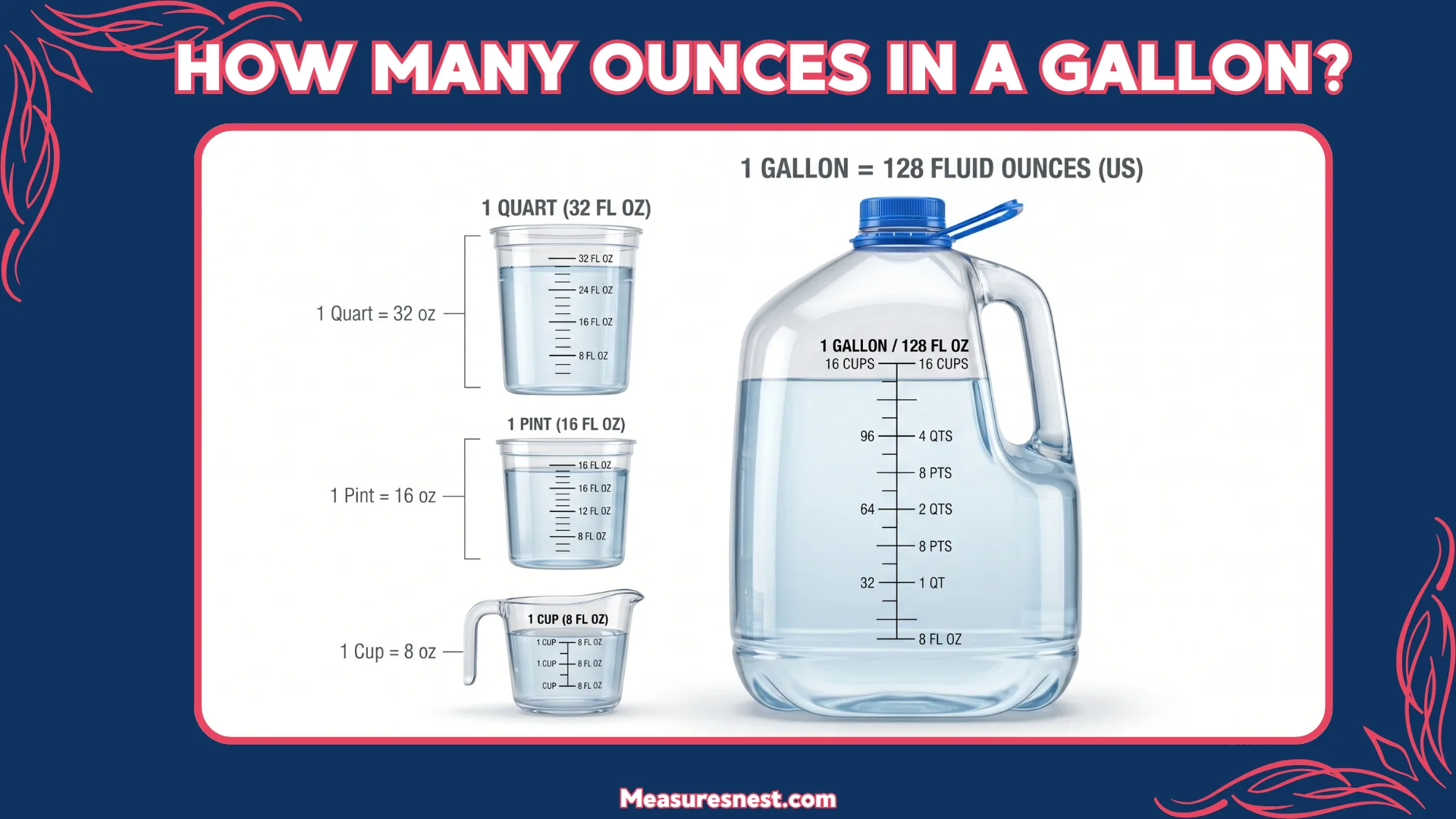
Whether you’re tracking your daily water intake, scaling up a recipe, or mixing a batch of electrolyte drink, recognizing common 1-gallon references gives you an instant reference point.
Quick Conversion Box
| 1 gallon = 128 fluid ounces | |
| 1 gallon = 3.785 liters | |
| 1 gallon = 16 cups | |
| 1 gallon = 8 pints |
How Many Ounces in a Gallon?
One gallon equals exactly 4 quarts (3.785 liters). Each quart holds 32 fluid ounces (946 mL) — the same size as a large Gatorade bottle. Multiply four of those together and you have your full gallon of 128 fl oz (3.785 L).
For a visual, picture a standard half-gallon milk jug from your fridge. You’d need exactly 2 of those (2 × 64 fl oz) to fill a full gallon. Chefs and caterers use this quart-to-gallon relationship constantly when scaling soup and sauce recipes.
How Many Liters in a Gallon
One U.S. gallon equals exactly 3.785 liters (128 fl oz). That’s almost four standard 1-liter water bottles lined up side by side. Picture the large 1.5-liter bottles you find in grocery stores you’d need about 2.5 of those (2.5 × 1.5 L) to reach a full gallon.
Your body needs roughly 2 to 3 liters (68 to 101 fl oz) of water per day according to general health guidelines. A gallon jug holds nearly double that which is why “drink a gallon a day” challenges are so popular among fitness enthusiasts.
How Many Cups in a Gallon
A full gallon contains exactly 16 cups (3.785 liters). Each standard measuring cup holds 8 fluid ounces (237 mL), and 16 of them fill a gallon perfectly. Bakers love this conversion because most recipes scale cleanly when you think in cups.
If you have a standard 4-cup liquid measuring pitcher, you’d need to fill and pour it exactly 4 times (4 × 32 fl oz) to equal one gallon. Home cooks and pastry chefs rely on this cups-to-gallon relationship every time they prepare large-batch recipes.
How Many Pints in a Gallon
One gallon equals exactly 8 pints (3.785 liters). Each pint holds 16 fluid ounces (473 mL) the same amount as a standard pint glass at any American bar or restaurant. Stack eight of those together and you’ve got your full 128 fl oz (3.785 L) gallon.
Bartenders and event planners use the pints-per-gallon conversion constantly when purchasing kegs, juices, or mixers for large gatherings. Remembering 8 pints = 1 gallon makes bulk beverage planning fast and accurate.
How Much Does a Gallon of Water Weigh
A gallon of water weighs exactly 8.34 pounds (3.78 kg) at room temperature. That’s roughly the same weight as a medium-sized house cat or a standard bag of flour from the grocery store. Carrying a full gallon jug gives you an immediate physical sense of this weight.
Plumbers, firefighters, and emergency planners use this weight constantly when calculating water load and storage capacity. Every 128 fl oz (3.785 L) gallon you store adds 8.34 lbs (3.78 kg) critical to know when planning emergency water supplies or structural load limits.
5 Real-Life Examples of How Many Ounces in a Gallon
These everyday real-world scenarios demonstrate exactly how much 128 ounces is in real life. From home kitchens to athletic training, this measurement appears constantly.
The Kitchen Cook
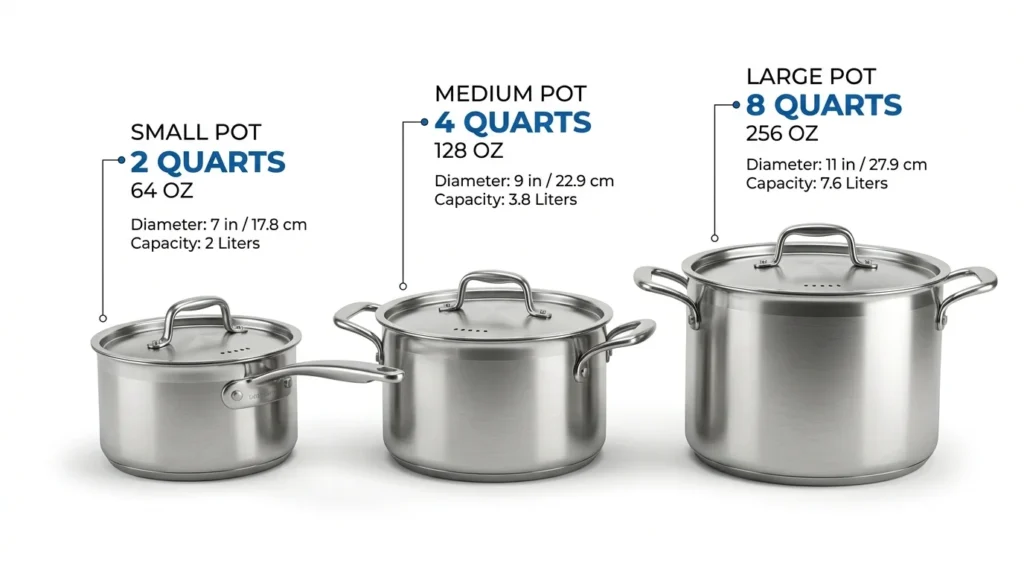
A standard large stockpot holds between 1 and 2 gallons (128 to 256 fl oz / 3.78 to 7.57 L) of liquid. This is exactly the right size for making a full batch of pasta, soup, or bone broth from scratch. Professional chefs measure cooking liquids in gallons when prepping for banquets or restaurant service.
Home cooks use the 128 fl oz (3.785 L) gallon measurement daily when following large-batch recipes. Knowing your pot holds one gallon helps you scale any recipe confidently without overflow or shortage.
The Daily Hydration Tracker
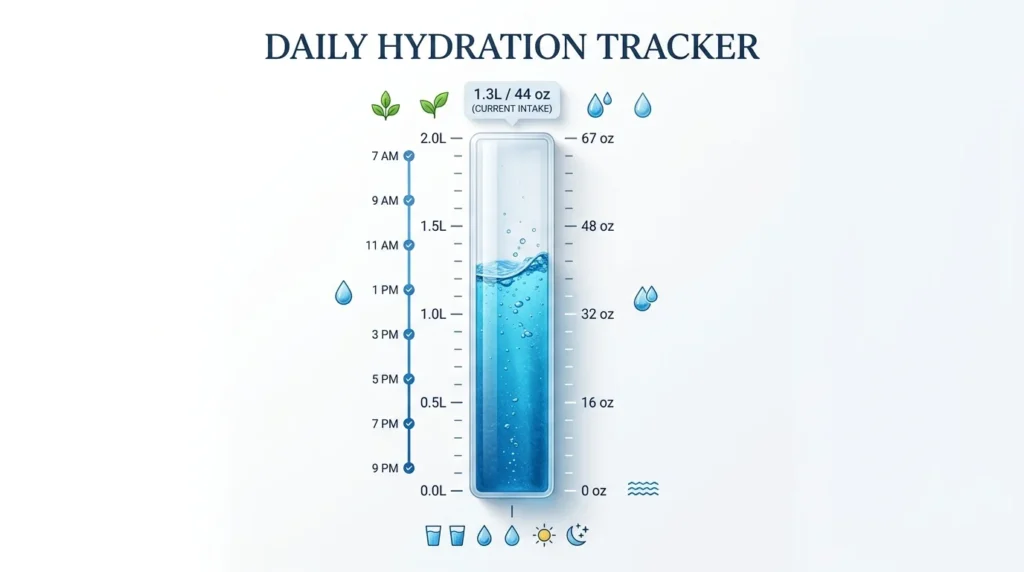
Many fitness communities promote drinking 1 gallon (128 fl oz / 3.785 L) of water per day as a peak hydration goal. A standard clear gallon jug with time markings makes this goal visual and trackable throughout the day.
The “gallon a day” challenge has millions of followers on social platforms worldwide. Reaching the bottom of your 128 fl oz (3.785 L) jug by bedtime means you’ve perfectly hit your daily hydration target.
The Home Brewer
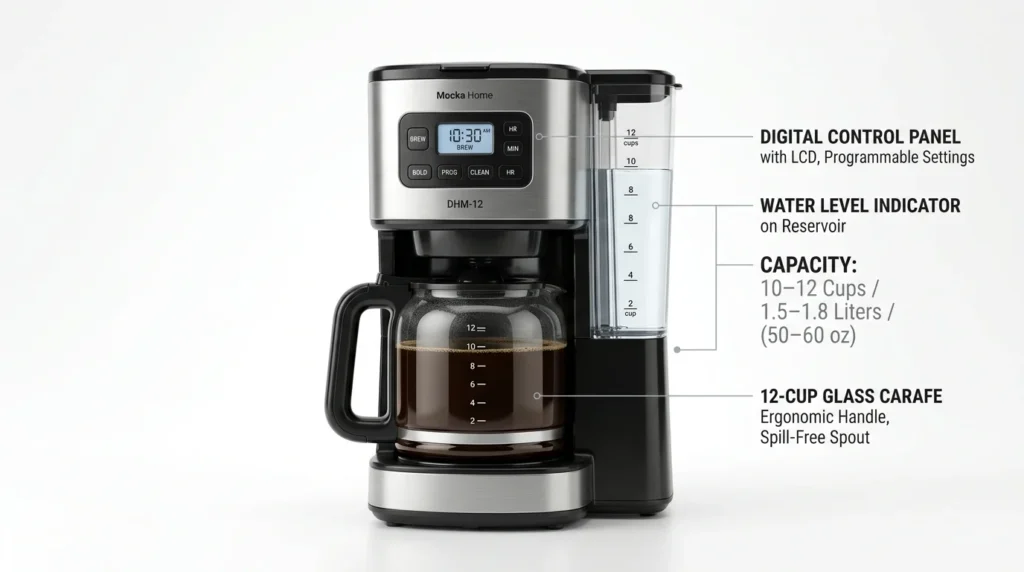
Most beginner home brewing kits use exactly 1 gallon (128 fl oz / 3.785 L) fermentation jugs for their first batch of beer, wine, or kombucha. This size fits easily in a kitchen cabinet or closet during fermentation. Home brewing supply stores sell all their ingredients, yeast packets, and additives measured precisely for this 1-gallon (3.785 L) batch size.
The American Homebrewers Association estimates there are over 1 million home brewers in the U.S. alone. Every single one of them works with the 128 fl oz (3.785 L) gallon as their foundational measurement.
The Athlete’s Electrolyte Mix
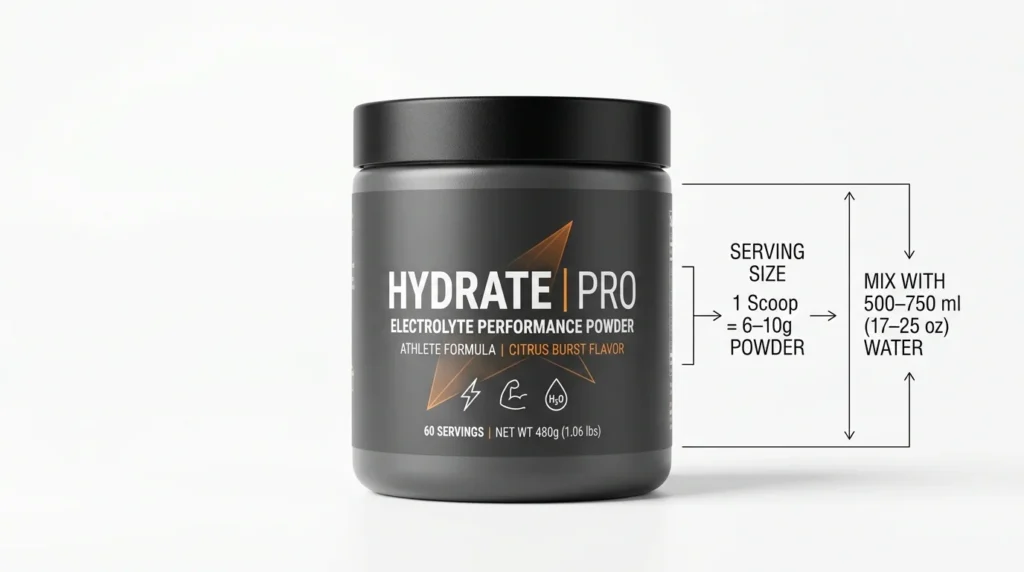
Sports coaches and athletic trainers mix electrolyte powders into 1-gallon (128 fl oz / 3.785 L) water jugs for team practices and games. This batch size hydrates roughly 8 to 10 athletes (each drinking 12 to 16 fl oz / 355 to 473 mL) per session. Popular electrolyte brands like Liquid IV and Nuun print their serving directions based on single servings mixed into 16 to 32 fl oz (473 to 946 mL) — making the gallon a natural multi-serving container.
High school and college sports programs across the U.S. rely on the 128 fl oz (3.785 L) gallon jug as their standard hydration tool during every practice. Knowing this measurement helps coaches prepare exactly the right amount for any team size.
The Medical Caregiver
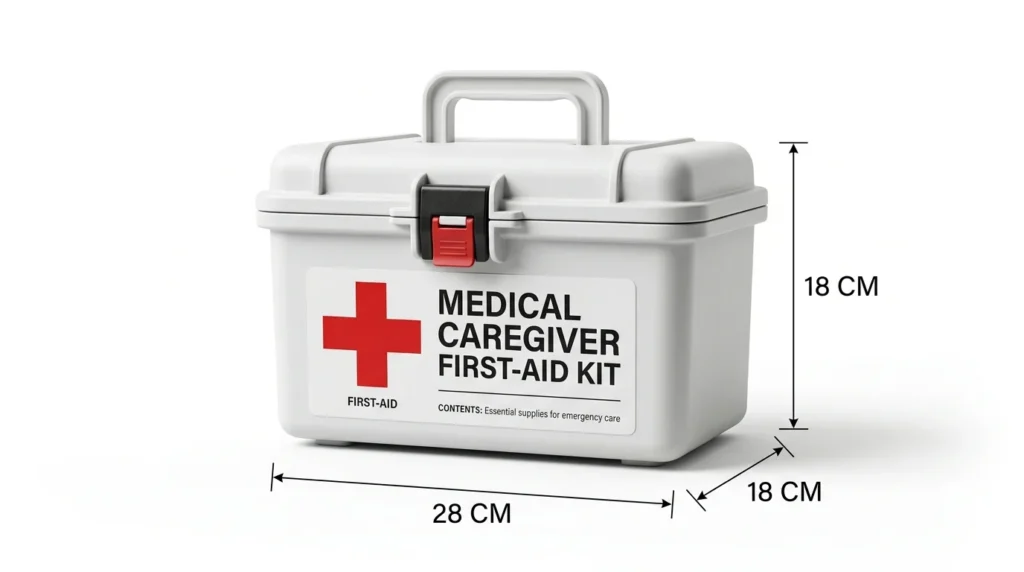
Medical facilities use 1-gallon (128 fl oz / 3.785 L) containers for saline solution, distilled water, and wound irrigation fluids. Nurses and caregivers measure these liquids precisely because accuracy directly affects patient safety.
Pharmacies and medical supply companies package most large-volume clinical solutions in 128 fl oz (3.785 L) gallon containers for easy storage and dispensing. Every caregiver who works with these supplies understands the gallon as the universal large-volume medical measure.
Measure a Gallon Without Measuring
🖐️ Your Arm as a Depth Guide A standard gallon jug stands about 10 to 11 inches (25 to 28 cm) tall roughly the length from your wrist to your elbow. Pick up any gallon jug and compare it to your forearm for an instant visual reference.
🏠 Your Kitchen Stockpot Most large home stockpots hold exactly 1 to 2 gallons (128 to 256 fl oz). Fill your pot to the halfway mark with a measuring cup 16 cups later, you’ve confirmed your gallon and know your pot’s capacity.
🥛 Two Half-Gallon Milk Jugs Those standard half-gallon (64 fl oz / 1.89 L) milk jugs in your fridge are the most accessible gallon reference you own. Pour two of them together and you’ve got exactly 128 fl oz (3.785 L) a perfect gallon, every time.
🏃 A Sports Water Cooler The large orange or blue water coolers on the sidelines of sporting events typically hold 3 to 5 gallons (384 to 640 fl oz). Picture that full cooler divided into thirds each section is your one-gallon reference, ready to visualize on any field or court.
How Many Ounces in a Gallon Matters in Everyday Life
Cooking accuracy improves when you understand gallon measurements. Recipes for large gatherings — soups, punches, brined meats list volumes in gallons, and knowing that equals 128 fl oz (3.785 L) prevents costly over or under-preparation.
Grocery shopping becomes smarter when you recognize gallon-sized products. Comparing price-per-ounce on gallon jugs of juice, water, or cleaning solution saves you real money because 128 fl oz (3.785 L) is always your baseline for value comparison.
Athletic performance improves when coaches and athletes plan hydration in gallons. Mixing sports drinks, electrolytes, and recovery beverages in 1-gallon (128 fl oz) batches ensures consistent dosing and eliminates per-serving guesswork during competition.
Safety planning becomes easier when you think in gallons. Emergency preparedness guidelines recommend storing 1 gallon (128 fl oz / 3.785 L) of water per person per day understanding this measurement helps you calculate and store exactly what your household needs.
Read: Soup Can Dimensions
Read: Beer Can Dimensions
Read: How Long Is a Centimeter?
Read: Pringles Can Dimensions
Read: Twin Bed Measurement
Read: Measurement of Queen Bed
Frequently Asked Questions
How many ounces are in a gallon?
One U.S. gallon contains exactly 128 fluid ounces (3.785 liters). This is the standard measurement used across all American food, beverage, and medical packaging. The Imperial gallon used in the UK is larger at 160 fl oz (4.546 liters always check which system your recipe or product uses.
How many quarts in a gallon?
There are exactly 4 quarts in 1 gallon. Each quart holds 32 fluid ounces (946 mL), and four of them combine to give you the full 128 fl oz (3.785 L). This quart-to-gallon relationship is one of the most useful volume conversions in everyday cooking and shopping.
How many cups in a gallon?
One gallon holds exactly 16 cups (3.785 liters). Each standard 8 fl oz (237 mL) cup fills the gallon perfectly when multiplied by 16. If your recipe calls for a gallon of liquid and you only have a measuring cup, count out 16 full cups to hit your mark exactly.
How many pints in a gallon?
There are exactly 8 pints in 1 gallon. Each pint equals 16 fluid ounces (473 mL), and eight of those together equal the full 128 fl oz (3.785 L) gallon. Bartenders and event planners use this conversion constantly when buying bulk beverages for large events.
Conclusion
128 fluid ounces (3.785 liters) appears constantly in your daily life through kitchen stockpots, daily water jugs, home brewing equipment, athlete hydration stations, and medical supply containers. This practical measurement equals 4 quarts, 8 pints, or 16 cups — roughly the same as eight standard 16 fl oz water bottles lined up in a row.